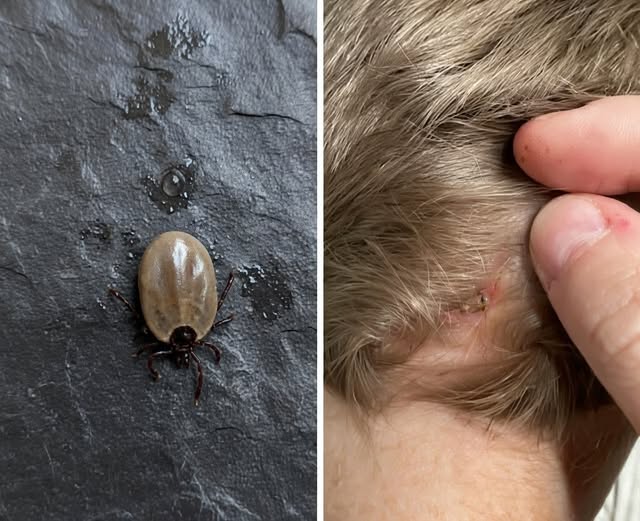
Few things can hijack a perfectly ordinary day quite like the sudden, terrifying sight of something crawling through your child’s hair. One moment, breakfast chatter fills the kitchen; the next, your heart leaps into your throat and your brain starts firing off alarms: lice, ticks, disease. Are we in danger? Are we dirty? Did we somehow fail as parents? That flash of fear is instant, visceral, and universal—but it doesn’t have to define the rest of your day, or your child’s sense of safety.
In 2026, families are facing a surge in pests—not just head lice, but ticks, carpet beetle larvae, booklice, and even fleas—and with that rise comes a flood of anxiety and misinformation. Social media posts, do-it-yourself “cures,” and whispered horror stories can make a tiny critter feel like an apocalyptic threat. Yet, the real danger isn’t always the bug itself—it’s panic, stigma, and the sense that your household has somehow failed.
The key to reclaiming control is knowledge. Identification is your superpower. A well-lit photo, a specimen carefully taped to a card, or a quick conversation with your pediatrician or your child’s school nurse can turn what feels like chaos into a clear, actionable plan. Suddenly, the invisible enemy has a name, a behavior pattern, and a path to eradication. Lice don’t bite; carpet beetle larvae feed on fibers, not people; ticks need proper removal—but none of them are magical carriers of parental shame.
Once you know what you’re dealing with, the next step is calm, methodical response. Treat lice with proven methods, remove ticks carefully without crushing them, and clean your environment when pests come from carpets, books, or pets. But don’t forget the invisible wounds: your child’s heart and your own. Avoid shame, blame, or any talk that equates a bug with being “dirty.” This is a moment to teach resilience, not fear.
Perfection is unnecessary. What matters is the response. Step by step, with facts in hand and panic out of the driver’s seat, you transform a moment of terror into a lesson in vigilance, empathy, and confidence. In the end, both you and your child walk away safer, calmer, and stronger—not because the pests disappeared magically, but because fear did.