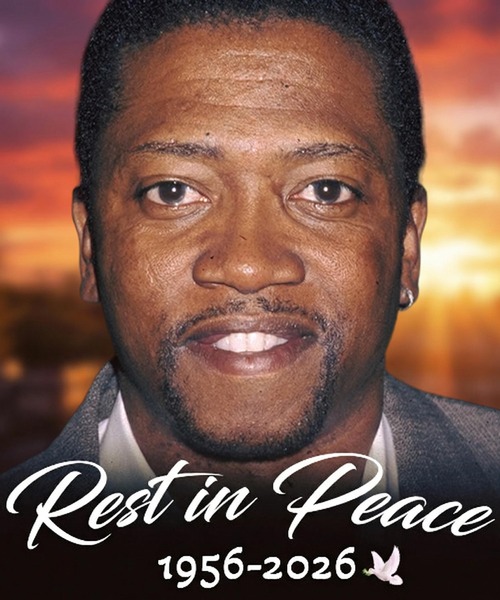
He was making strangers laugh before most kids had figured out who they were. A microphone in his hand, a spark in his voice—comedy came early, and it came naturally. Then, almost without anyone noticing, the jokes faded from the foreground. The boy comedian grew into a man who chose a different kind of presence, one less flashy but no less essential. He became a quiet architect of American television, standing just beyond the brightest lights while helping hold the whole thing together. Now, at 69, he’s gone—and only in his absence are people beginning to understand just how much they missed.
His life unfolded between two coasts, shaped by contrast. He carried New York grit and sharp instincts into the sun-washed sprawl of Southern California, learning early how to adapt, how to listen, how to read a room. School plays gave him a stage, but it was the small, unglamorous jobs—working in shops, performing at theme parks, hustling through spaces where no one knew his name—that truly trained him. Those years taught him more than how to survive in the industry. They taught him timing, empathy, and the subtle art of connecting with every kind of face in the audience. By the time cameras found him in the 1970s, he wasn’t chasing a break—he was already a professional, someone who made comedy and performance look effortless because the hard work had been done long before.
A memorable turn in an early-1980s sci-fi landmark proved he could command the big screen, that he had range and presence when the moment demanded it. But television is where he became a constant companion to viewers. Week after week, he showed up as the loyal friend, the steady presence, the character you trusted without needing to ask why. He didn’t demand attention; he earned it quietly. Colleagues remember him the same way—generous, grounded, and deeply professional, someone who gave just as much off camera as he did when the red light was on.
With his passing at 69, the industry loses something rare: a steady, beating heart. Not a headline-grabbing star, but a performer whose work made everything around him better. What remains are the episodes, the scenes, the perfectly timed lines that still land decades later—enduring reminders that Thomas Kent “T.K.” Carter never needed the spotlight to matter. His legacy lives in the spaces between the big moments, in the warmth he brought to the screen, and in the quiet truth that some of the most important people in entertainment are the ones you don’t fully appreciate until they’re gone.