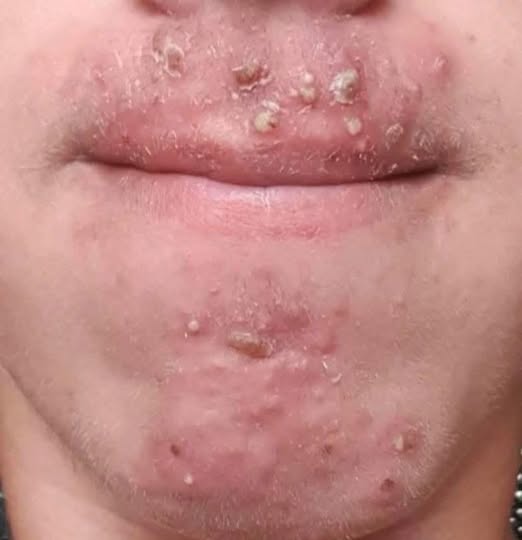
Pimples around the mouth can feel especially frustrating and even a little humiliating. Unlike breakouts hidden on the forehead or cheeks, these stubborn bumps appear right in the center of your face—an area that’s always visible, always noticed, and often the first thing you see in the mirror. What makes it even more annoying is how unpredictable they seem: they can appear overnight, linger for days or weeks, and return again and again no matter how many cleansers, spot treatments, or skincare routines you try.
But here’s the important truth most people don’t realize—these breakouts are rarely truly “random.” Pimples around the mouth are often the result of a buildup of small, everyday habits and hidden irritants that quietly stress the skin over time. Instead of one single cause, it’s usually a combination of factors working together, creating the perfect environment for congestion, inflammation, and recurring breakouts.
Hormones are one of the biggest contributors. Fluctuations in hormone levels—especially around the menstrual cycle, stress periods, or lifestyle changes—can trigger increased oil production. This oil tends to concentrate in the chin and mouth area, making it a hotspot for clogged pores and inflammation. That’s why many people notice breakouts in this exact region during the same time each month.
But hormones are only part of the story. Daily habits often play an equally important role. Constantly touching your face, resting your chin on your hands, or absentmindedly picking at tiny bumps introduces bacteria and creates friction that irritates already sensitive skin. Even small repeated contact can slowly worsen breakouts without you realizing it.
Then there are the subtle external triggers hiding in plain sight. Toothpaste, for example, can be a surprising culprit. Some foaming agents, flavoring ingredients, or residue left around the mouth after brushing can irritate the skin and contribute to clogged pores. Similarly, spicy foods, oily residues, or even frequent lip-licking can leave behind a thin film that lingers on the skin and disrupts its balance.
Lip care products also deserve attention. Heavy lip balms, glossy formulas, or fragranced products may feel soothing on the lips but can easily spread beyond the lip line and settle into pores around the mouth. Over time, this can lead to congestion and recurring bumps in the same area. Even things like masks, phone contact, or sleeping positions where your face presses into fabric can add friction and trap heat and oil against the skin.
The good news is that breaking this cycle is absolutely possible—but it requires patience, consistency, and a bit of observation. Think of it as a gentle “skin investigation” rather than a quick fix. Start with a simple, calming routine: cleanse your face twice daily using a mild, non-stripping face wash that respects your skin barrier. Avoid harsh scrubs or over-exfoliating, as this can actually worsen irritation and make the area more reactive.
Be mindful of what touches your mouth area throughout the day. Switch to non-comedogenic lip balms and makeup products that won’t clog pores. After brushing your teeth or eating, gently rinse and clean the skin around your mouth to remove any lingering residue. If you wear a mask regularly, make sure to change or wash it frequently so oil and bacteria don’t build up.
Most importantly, resist the urge to pick or squeeze. It may feel satisfying in the moment, but it often leads to longer healing time and more inflammation.
If, despite making these changes, the bumps remain persistent, deep, painful, or appear more like a rash than typical acne, it may be something more specific such as hormonal acne or perioral dermatitis. In that case, consulting a dermatologist can make a huge difference. They can identify the exact cause and recommend targeted treatments that calm the skin and prevent future flare-ups.
With the right understanding and a few mindful adjustments, those stubborn mouth-area breakouts don’t have to be a constant struggle—they can become something you finally get under control.