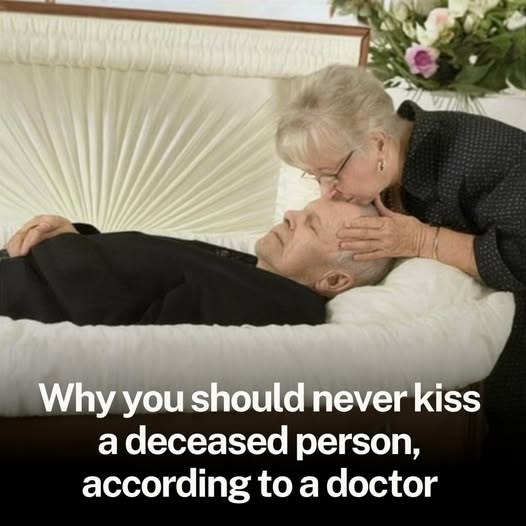
Dr. Viktor Ivanovik, a Moldovan physician who has captivated over 300,000 followers on TikTok, recently sparked a viral conversation that left many grappling with both grief and caution. In a heartfelt and informative video, Dr. Ivanovik warned against kissing deceased loved ones, explaining that even after death, harmful bacteria and pathogens can linger in the body. He emphasized that if a person passed away due to an infection, there is a rare—but real—possibility that these germs could be transmitted through direct contact.
The response to his message was swift and polarized. Many viewers agreed with his advice, appreciating the practical safety warning during a time when infectious diseases are still a concern. Others, however, expressed discomfort, arguing that the video seemed to challenge sacred, time-honored traditions and the deeply emotional rituals surrounding death.
Grief vs. Caution: Navigating the Farewell
Across the world, touching or kissing the deceased has been a part of cultural rituals for centuries. From a gentle kiss on the forehead to holding the hand of a loved one one last time, these acts are often seen as essential steps in processing grief and saying goodbye. For many, it is a way to honor the life that was lived and find closure in the midst of unimaginable loss.
Yet, Dr. Ivanovik’s caution highlights the tension between tradition and public health. During outbreaks of infectious diseases, including the recent COVID-19 pandemic, health authorities have advised against direct contact with the deceased—not to strip away sacred rituals, but to minimize the risk of disease transmission. In these circumstances, even gestures that seem harmless, like a final kiss, could carry an unexpected danger.
For grieving families, this raises difficult questions: How do we balance love, respect, and cultural tradition with the practical need to stay safe? Dr. Ivanovik’s video, while controversial, serves as a reminder that even in the most intimate moments of farewell, awareness and caution can protect those who are left behind.
As this discussion continues online, it has prompted a wider conversation about how we honor the dead while safeguarding the living, encouraging people to find creative, safe ways to express love and say goodbye.