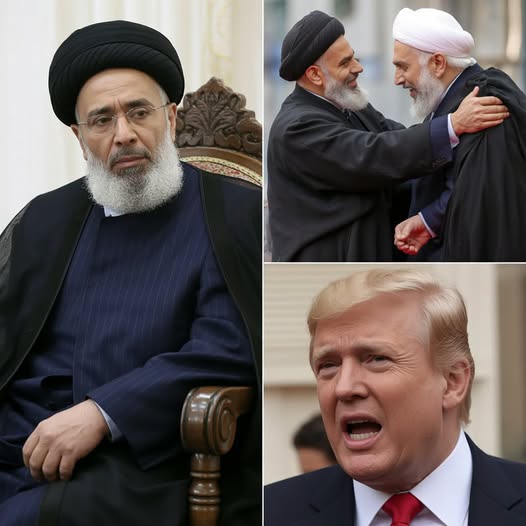
The first explosions did far more than tear through concrete and steel — they fractured something far more fragile: the long-standing belief that the conflict in the region could still be contained within familiar boundaries. In an instant, that assumption collapsed. As reports emerged of coordinated airstrikes carried out by the United States and Israel on targets deep inside Iran, the world was pulled into the opening scene of a new and deeply uncertain chapter.
In Tehran, the atmosphere shifted immediately from routine tension to urgent crisis. Military commanders and intelligence officials scrambled through layers of fragmented reports, trying to piece together the scale and impact of the strikes. Communication channels lit up across defense networks as assessments were rushed, revised, and reassessed again. Outside Iran, regional allies watched with measured caution, weighing their responses carefully, aware that any misstep could widen the flames. At the same time, global financial markets reacted almost instinctively — oil prices surged, stocks wobbled, and traders braced for instability that could ripple far beyond the Middle East.
Almost instantly, one question echoed across capitals, newsrooms, and living rooms around the world: was this the moment that would push an already fragile standoff into full-scale regional war?
The strikes were reportedly part of a coordinated operation referred to as “Operation Epic Fury,” described by U.S. and Israeli officials as a decisive and strategic effort aimed at degrading Iran’s military infrastructure and curbing its nuclear capabilities. According to these officials, the targets were not chosen at random but were instead linked to facilities and systems believed to represent an immediate and growing threat. Their justification framed the operation as preemptive — an attempt to disrupt capabilities that, in their view, could otherwise be used in future attacks.
On the ground, the aftermath quickly became visible. Footage and images began circulating online, showing shattered installations, burned-out structures, and heavily damaged air-defense sites. Thick smoke rising from struck compounds painted a stark picture of the scale of the assault. Yet alongside these visuals, Iranian state media presented a different narrative — reporting that some incoming missiles had been successfully intercepted and emphasizing that the country’s defenses had not been fully breached. Official statements from Tehran carried a sharp warning: retaliation was not only possible, but inevitable.
Iranian leadership responded with increasingly forceful rhetoric, vowing what they described as “devastating revenge.” The language left little room for ambiguity and immediately heightened fears that the situation could escalate beyond controlled exchanges into a broader and more unpredictable confrontation.
As the rhetoric intensified, diplomatic channels quietly came alive. Behind closed doors, envoys from Europe and other global powers began urgent conversations aimed at de-escalation. Messages were passed, calls were made, and warnings were issued — all stressing the same fragile truth: that any further escalation could destabilize not just the region, but global security and economic stability as a whole.
Meanwhile, far from the strategic calculations of governments and militaries, ordinary people found themselves trapped in uncertainty. In cities like Tehran and Tel Aviv, families stayed awake through the night, checking phones for updates and listening for sirens that might signal what came next. Each distant explosion carried the same unanswered question — was this an isolated night of violence, or the opening of something far larger and far more dangerous?