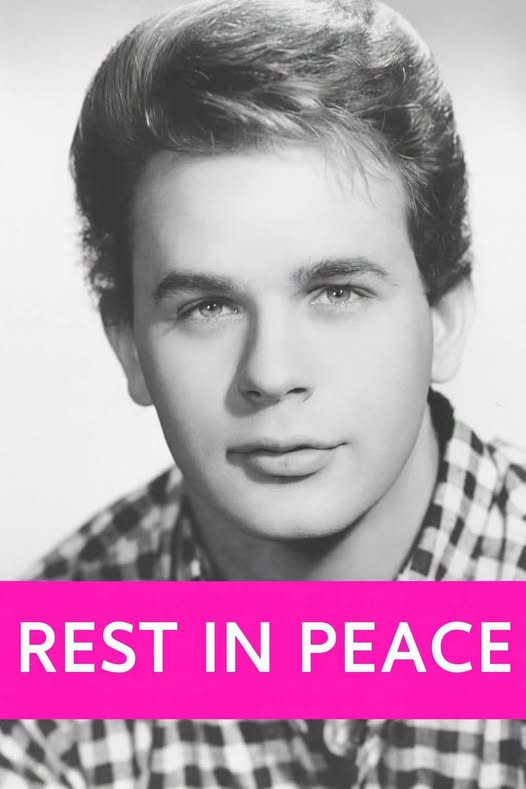
The music world has lost a truly distinctive and unforgettable voice — a singer whose shimmering falsetto, emotional intensity, and fearless sense of style helped define the sound of 1960s pop. His passing marks the end of an era, but his recordings continue to echo with the same energy and vulnerability that once captivated millions.
Born in a small, close-knit town in Pennsylvania, he grew up far from the bright lights of the music industry, yet music seemed to find him early. One of his first defining moments came during a simple first-grade Christmas pageant — a childhood performance that revealed an unexpected gift and quietly set the course for his life. What began as a schoolroom spotlight soon grew into a lifelong devotion to singing, performing, and storytelling through music.
As he moved into his teenage years, his passion only deepened. He began recording early demos in modest, makeshift studios, often experimenting late into the night with harmonies, vocal layering, and dramatic musical arrangements. Even in these early recordings, there was something unmistakably different about his voice — a blend of innocence and urgency, softness and soaring power. It was the kind of sound that didn’t just catch attention; it lingered in the listener’s mind.
Local performances in school choirs, small venues, and neighborhood clubs soon followed. Each appearance sharpened his stage presence and revealed a natural ability to connect with audiences. His voice carried a rare emotional charge, capable of shifting from tender intimacy to electrifying highs in a single phrase. It wasn’t long before his talent reached beyond his hometown, attracting the interest of producers and collaborators who recognized his potential.
A pivotal partnership with a gifted composer helped shape his signature style. Together, they crafted songs that blurred the boundaries between pop accessibility and operatic drama. Their work was bold for its time — sweeping arrangements, soaring melodies, and vocal performances that pushed emotional expression to the forefront. It was a sound that felt both classic and daring, polished yet deeply personal.
His major breakthrough arrived in the mid-1960s, when everything changed almost overnight. On his 23rd birthday, he released the single that would define his career and secure his place in music history. Driven by lush orchestration, a steady, propulsive rhythm, and — most importantly — his breathtaking falsetto, the song quickly climbed to the top of the charts. It didn’t just become a hit; it became a defining moment of the decade, turning him into a household name and a teen idol almost instantly.
That artist was Lou Christie, best known for timeless hits like “Lightnin’ Strikes.” Over the decades that followed, he remained a dynamic and passionate performer, bringing the same emotional fire to every stage he stepped onto. His concerts were known for their theatrical energy and heartfelt delivery, proving that his voice was not just a product of its time, but something enduring and deeply expressive.
Even as musical trends evolved, he continued to perform and record, adapting without ever losing the essence of what made him unique. Offstage, he was known for his humility and generosity toward younger artists, offering encouragement and sharing his experience with those following in his footsteps. His influence quietly extended beyond his own recordings, shaping how future singers approached vocal expression and emotional storytelling.
Today, his music still resonates with listeners across generations. The clarity of his falsetto, the drama of his arrangements, and the sincerity behind every performance remain as compelling now as they were decades ago. In the end, his legacy is not only defined by chart success, but by something more lasting — a fearless commitment to emotion, artistry, and a voice that could never be mistaken for anyone else.