The shooter’s manifesto—dense with incendiary accusations of rape, pedophilia, and treason—didn’t just surface as background noise to a violent moment; it detonated in the public consciousness at the exact instant Trump took to the airwaves, issuing heated, emphatic denials. The collision of those two forces—one a written document dripping with paranoia and rage, the other a live, unscripted performance of defiance—transformed what might have been understood as a straightforward security crisis into something far murkier. It became a kind of national inkblot test, exposing not just facts, but fractures.
For some observers, Trump’s composure—his refusal to flinch, his apparent steadiness under pressure—reads as unmistakable courage, the posture of a leader unwilling to yield to chaos or fear. For others, that same stillness feels uncanny, even suspicious, fueling the belief that the danger itself may have been exaggerated, misunderstood, or perhaps never fully real to begin with. The same images, the same words, interpreted through entirely different lenses.
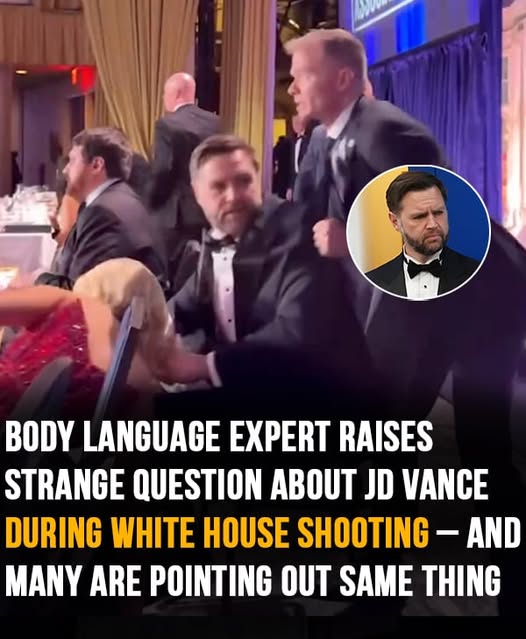
What lingers, more than any single version of events, is a deep and persistent unease. A sitting president seemingly under threat. A vice president abruptly removed from the scene. Conflicting narratives unfolding in real time, each one finding its own audience, its own believers. In the aftermath, the most unsettling truth may not lie in what happened, but in the growing realization that the country can no longer agree on how to understand it—or whom to trust when trying to do so.