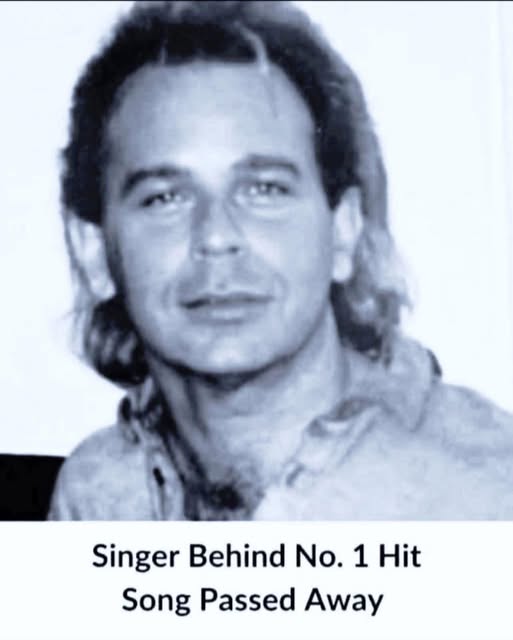
The news didn’t arrive like a headline. It didn’t crash onto screens with the clean certainty of breaking alerts. Instead, it seeped slowly into the world, heavy and disorienting, like a wound that no one saw coming. A voice that once soared high enough to split the sky has fallen silent, leaving behind a strange and unsettling quiet. It’s the kind of silence that doesn’t feel peaceful—it feels unfinished, almost hostile, as if the air itself is waiting for a note that will never come.
For the family left behind, the loss is not measured in press releases or tributes. It is measured in empty chairs, unanswered calls, and memories that suddenly carry more weight than they ever did before. They speak softly now, their voices trembling with equal parts love and disbelief. A “brief illness,” they say. Just two small words that somehow managed to steal years—decades—of life in a single, merciless curve of fate.
Before the world knew him as Lou Christie, he was a boy with a name that sounded like it belonged in an opera house: Lugee Alfredo Giovanni Sacco. Even as a kid, there was something musical in the rhythm of his name, something theatrical in the way it seemed to echo. But it was his voice that truly set him apart. It wasn’t just powerful—it was otherworldly. His falsetto could leap to impossible heights, bending notes until they shimmered with emotion. It was a sound that could cut through radio static, through crowded rooms, through teenage confusion and heartbreak.
When that voice finally reached the airwaves, it didn’t just play songs—it told confessions. Radios across America became tiny stages where emotions spilled out in melody. Young listeners leaned closer to their speakers, hearts pounding, hearing something that felt deeply personal. His music didn’t simply entertain; it spoke directly to the chaos of youth.
Much of that magic was born from his creative partnership with Twyla Herbert, the eccentric and brilliant songwriter who helped shape his sound. Together, they didn’t just write songs—they crafted emotional storms. Their compositions often began like gathering clouds, slow and brooding, building tension with every verse. Then, suddenly, lightning.
And lightning truly struck with Lightning Strikes.
The song exploded onto the charts in the 1960s, but its impact went far beyond sales or rankings. For many young listeners, it became a rite of passage. It captured the dizzying thrill of love and the sting that could follow just as quickly. The falsetto soared, urgent and dramatic, echoing the feeling that romance could lift you sky-high one moment and leave you shattered the next. It was messy, passionate, and unforgettable—just like youth itself.
But while the stage lights and radio success painted him as larger than life, the man behind the voice carried a quieter kind of grace.
Away from the spotlight, Lou Christie remained remarkably human. He answered fan letters long after most artists would have stopped. Strangers from tiny towns—places that only knew him through scratchy speakers and spinning vinyl—received replies filled with warmth and sincerity. Sometimes he sent photos. Sometimes just a few handwritten words. But those gestures traveled miles, reaching people who needed a reminder that their idol wasn’t some unreachable figure in the sky.
He understood the strange intimacy between artists and listeners. Somewhere, someone was always listening in a bedroom late at night, trying to make sense of love, longing, or loneliness. And his voice—soaring and trembling at once—became a companion for those moments.
That’s what makes his departure feel so surreal.
For a man whose voice once sounded like thunder rolling across the horizon, his final exit came quietly. No dramatic curtain call. No grand farewell tour. Just the stillness of a life that had slowly reached its final note.
And yet, the strange thing about music is that it refuses to obey the rules of time.
Every time an old record spins and that unmistakable falsetto rises again—fragile, powerful, almost supernatural—it doesn’t feel like the past. It feels immediate, alive, and impossibly present. A voice leaping skyward, refusing gravity, refusing silence.
Because some departures are only physical.
And some voices—once they’ve touched the sky—never really learn how to die. 🎶✨