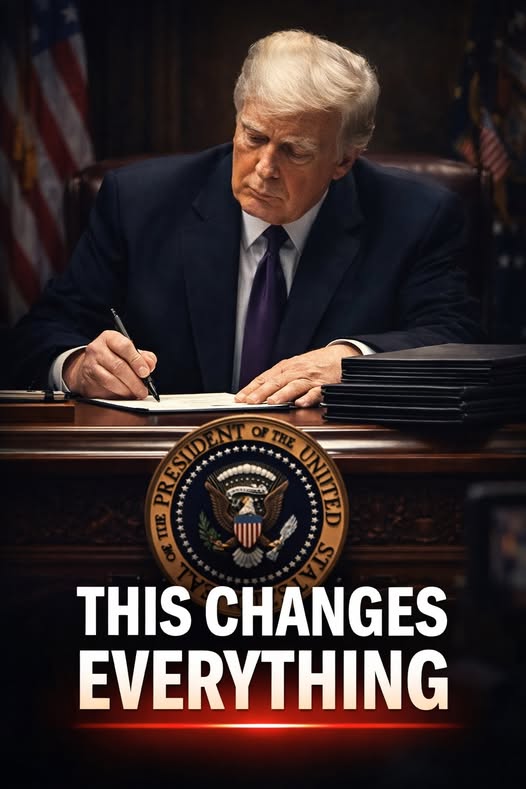
The room was supposed to be a symbol of unity—polished marble, national flags, and the carefully rehearsed choreography of democracy on display for the world to see. A Joint Session of Congress is meant to project something larger than politics: the idea that, despite disagreement, there is still a shared country holding everything together.
But according to Newt Gingrich, what actually unfolded felt like the opposite.
He walked out describing not a moment of democratic tradition, but a chamber that had gone cold in a way that was impossible to ignore. Not awkward silence. Not polite restraint. Something sharper. Something deliberate. A silence that didn’t come from confusion or fatigue, but from refusal. As if even the smallest gestures of bipartisan recognition—basic applause, shared acknowledgment, human courtesy—had become casualties of a deeper conflict.
And in that stillness, Gingrich saw something unsettling: a system no longer performing unity even as theater.
What should have been a routine moment of national ceremony instead felt, in his account, like a fracture made visible. The kind you don’t notice at first in a structure—until the stress lines begin to spread too far to ignore. He suggested that the chamber wasn’t merely divided; it was disengaged from the very idea that it was meant to serve a single public. Two sides, yes—but no longer speaking the same emotional language of countryhood. Only rival teams occupying the same building, locked in a permanent state of strategic opposition.
That “dead air,” as observers described it, lingered longer than any speech. It hung over the proceedings like a presence of its own, captured in broadcast footage that would be replayed not for what was said, but for what was missing. No warmth. No shared rhythm. No instinctive moments of agreement that once reminded viewers—if only briefly—that politics was still tethered to something collective.
Instead, what came through was a kind of public performance of separation. Every reaction measured. Every pause loaded. Every absence of applause doing more speaking than words ever could.
Gingrich’s warning extends beyond etiquette. In his framing, this is not about whether lawmakers clapped at the right time or maintained decorum under pressure. It is about what happens when the basic rituals that signal national cohesion begin to disappear altogether. When acknowledgment itself becomes partisan. When even recognizing the legitimacy of the room becomes conditional.
And that, he argues, reflects something already visible in the country beyond the chamber walls.
Polling suggests that a vast majority of Americans—around 82 percent—already believe the system is fundamentally corrupt or failing them in some way. That number, whether precise or symbolic, points to a broader emotional reality: trust has thinned to the point where suspicion is the default setting. Institutions are no longer automatically granted credibility; they must constantly defend it, and often fail.
Within that environment, Gingrich casts political factions in sharply different roles—Republicans as self-styled reformers challenging entrenched power, Democrats as defenders of an expanding institutional status quo. But the deeper implication of his critique cuts through party lines. It is not that one side has broken the system, but that the system itself has become a battlefield where survival instincts outweigh stewardship.
When reelection becomes more important than resolution, when internal party challenges matter more than national outcomes, when image management replaces problem-solving, something fundamental erodes. Governance begins to resemble performance. Decisions become signals. And the audience—the public—starts to notice the script.
That is the turning point Gingrich is pointing toward. A country where leaders no longer feel rewarded for bridging divides, but punished for attempting it. Where applause for the nation itself becomes a risky gesture. And where the most dangerous silence is not in the chamber, but in the growing sense outside it that the entire production is no longer worth watching.
If that continues, he warns, the real break won’t be in Congress at all.
It will be in the audience’s decision to stop believing the stage is real.