Lauren Chapin’s fans never saw this coming.
To millions of Americans, she would forever be “Kitten” — the bright-eyed, quick-witted little sister from Father Knows Best. On screen, life unfolded neatly within the comforting walls of the Anderson family living room. Problems were solved in under thirty minutes. Lessons were gentle. Love was steady. And childhood felt safe.
But when the cameras stopped rolling, there was no script to guide her. And this time, there would be no guaranteed happy ending.
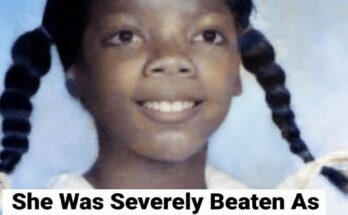
As Kathy “Kitten” Anderson, Lauren was chosen from hundreds of hopeful young actresses before she had even turned ten. Almost overnight, she became part of America’s weekly routine — welcomed into homes, embraced like family. She formed a deep bond with her on-screen father, Robert Young, and later spoke warmly of how he and his real-life family helped anchor her during those early years of fame. Those were the golden days — studio lights, fan mail, red carpets, and the warm illusion that the world was as kind as the scripts suggested.
But childhood stardom rarely protects a person from the real world. When the applause faded and the series ended, Lauren faced a silence far more unforgiving than any television pause.
Behind the nostalgia lived a young woman struggling to find her footing. Fame had come before identity. Expectations had come before maturity. As the years passed, she wrestled with addiction, legal troubles, and the emotional aftermath that so often shadows former child stars. The industry that once celebrated her had moved on, and she was left to navigate adulthood without the protective glow of America’s favorite sitcom.
Yet Lauren Chapin refused to let her story end in tragedy alone.
Rather than hide her scars, she exposed them — bravely and publicly. She spoke candidly about the damage early fame can inflict on children and warned families about the fragile path from child celebrity to stable adulthood. She acknowledged how few young actors successfully transition into lasting careers and how easily innocence can be consumed by pressure, exploitation, and loss of purpose.
In the midst of her darkest years, she found something stronger than applause: faith.
Leaning into her spiritual convictions, Lauren rebuilt her life piece by piece. She became an evangelist, an author, and a mentor — traveling, speaking, and sharing her testimony with unfiltered honesty. Her past was no longer something to escape; it became the very tool she used to reach others. She counseled people battling addiction. She encouraged those drowning in regret. She turned pain into purpose.
And then came the final battle — one no script could rewrite.
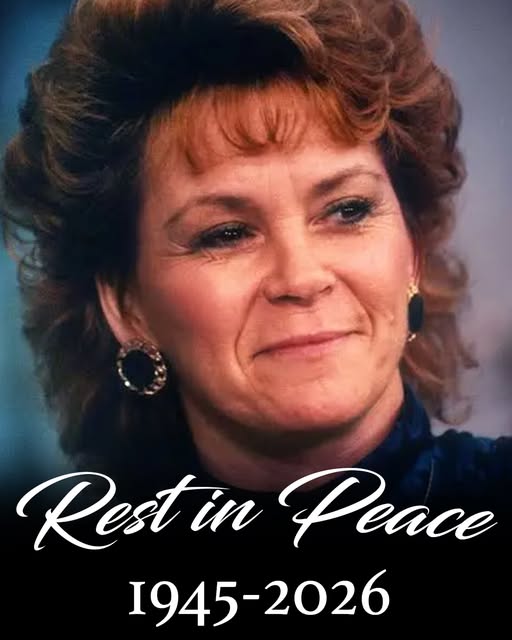
Her son’s heartbreaking announcement revealed that she had been quietly fighting cancer. For years, she endured the illness away from the public spotlight, confronting it with the same resilience that had carried her through earlier storms. When she passed, it wasn’t just the loss of a former television star. It was the loss of a woman who had fought — fiercely, imperfectly, faithfully — to transform her broken chapters into hope for others.
The little girl America once adored as “Kitten” did not leave behind a fairy-tale ending. But she left something more enduring.
Lauren Chapin’s legacy is not defined solely by reruns or nostalgic memories of black-and-white living rooms. It is defined by survival. By honesty. By redemption. By a fierce commitment to lifting others out of the darkness she once knew too well.
And perhaps that is the most powerful story she ever told.