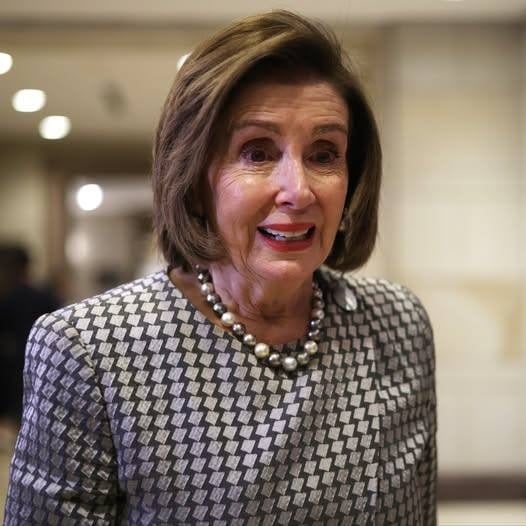
Nancy Pelosi’s sudden collapse in Luxembourg stunned observers around the globe. One moment, she stood solemnly among veterans, paying tribute to the fallen at the Battle of the Bulge commemorations; the next, security personnel rushed in, cameras froze, and whispers erupted faster than anyone could process. Before doctors even completed their initial assessment, speculation ran wild—would this moment mark the end of a storied political era, or was it simply a reminder of the human vulnerabilities behind a life spent in public service? Allies, rivals, journalists, and world leaders alike gathered at the edges of hospital corridors, eyes fixed on a single question: what comes next for the woman who has so often seemed indefatigable?
In Luxembourg, thousands of miles from the familiar domes and corridors of the Capitol that defined decades of her career, Pelosi is now confronting a challenge no legislative vote, deft negotiation, or powerful speech can defer: the undeniable reality of her own physical limits. The fall occurred during a meticulously planned ceremony honoring the heroism and sacrifice of those who fought in one of history’s bloodiest conflicts. What should have been a moment of solemn remembrance suddenly became a test of personal resilience, a stark juxtaposition between human frailty and the unyielding demands of a lifetime in public service.
Yet those closest to Pelosi insist that panic was nowhere to be found. From her hospital bed, she has reportedly remained focused, asking questions not about herself, but about staff schedules, ongoing briefings, and the continuity of the work she has shepherded for decades. It is a glimpse into the rare combination of stamina, discipline, and commitment that has defined a career in politics where every moment—even one of vulnerability—is weighed against responsibility.
Messages of support poured in from across the political spectrum and across continents: Republicans and Democrats alike, European leaders, and NATO officials offered wishes for recovery and recognition of a lifetime of service. There is a remarkable, almost universal acknowledgment that regardless of political stance, Pelosi’s endurance and determination have left a lasting mark on history. Her temporary hospitalization has become less a moment of crisis than a pause, a quiet interlude in an otherwise relentless, decades-long career.
Meanwhile, the commemorations she had come to honor continue, their echoes a reminder of themes that have characterized much of Pelosi’s public life: sacrifice, duty, and the unwavering choice to show up, even after a fall. As doctors monitor her recovery, the world watches—not just for news of her health, but for the next chapter of a career defined by persistence, resolve, and the extraordinary act of carrying on.