Minneapolis has become one of the most volatile flashpoints in the nation — a city teetering between grief and revolt as the country watches, cameras rolling and tensions boiling over. What began as a federal immigration enforcement surge under the Trump administration has exploded into a full-blown political crisis, marked by two fatal shootings of U.S. citizens by federal officers, massive demonstrations, and calls for accountability that now echo from City Hall to Capitol Hill.
The latest tragedy unfolded when 37-year-old Alex Pretti, an intensive care nurse and local resident, was shot and killed by federal agents during an immigration operation on January 24, 2026. The incident — captured in part on bystander video and disputed across official and civilian accounts — showed federal officers subduing Pretti before shots rang out, igniting a firestorm of outrage.
His death marked the second U.S. citizen killed in Minneapolis this month at the hands of immigration enforcement agents. Earlier in January, Renée Good, a 37-year-old mother of three, was shot and killed by an ICE agent during an enforcement encounter that remains fiercely contested and has been ruled a homicide by the local medical examiner.
Outrage over these deaths has galvanized thousands on the streets of Minneapolis and beyond. Protesters have marched in freezing temperatures, local businesses and schools have shut down as part of coordinated strikes, and solidarity actions have swept cities across the country. The demonstrations — often peaceful but occasionally fractious — are a broad rebuke of what many see as a reckless federal immigration crackdown that tramples civil liberties and escalates violence.
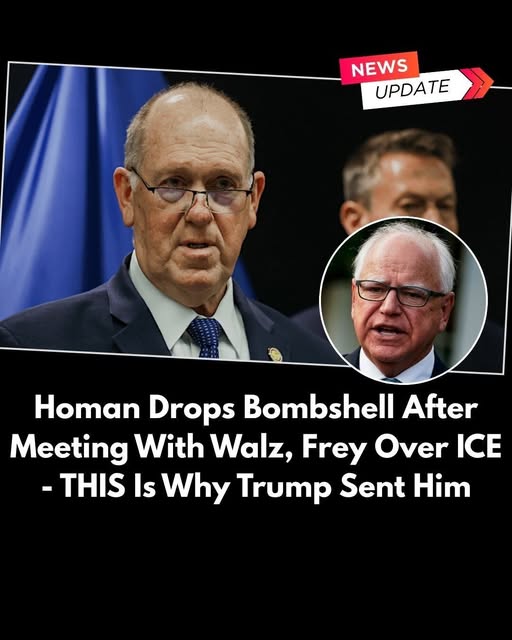
Amid this unrest, Tom Homan, the White House’s top immigration enforcement official and former acting director of ICE, was dispatched by President Trump to Minneapolis with a message that straddled defiance and damage control. Homan did not arrive as a faceless bureaucrat — he arrived as the embodiment of a White House strategy under fire. At press briefings and behind closed doors, he has insisted that the federal mission will continue, but only under conditions that local leaders agree to what he terms “common-sense cooperation.”
On the public stage, Homan has pledged to restore “law and order,” even as he acknowledges the deep wounds the enforcement surge has inflicted. He has repeatedly said federal agents will only draw down their presence if Minnesota officials — including Governor Tim Walz, Minneapolis Mayor Jacob Frey, and Attorney General Keith Ellison — reopen cooperation with ICE, especially in granting access to county jails as staging grounds for deportation operations. In Homan’s framing, cooperation could lessen street operations; without it, agents would remain entrenched.
Behind the scenes, these meetings have been tense and complex. Walz has pressed for impartial, transparent investigations into the fatal shootings and a faster reduction of federal law enforcement forces. Frey has made it clear that Minneapolis police will not enforce federal immigration laws. Ellison and other state officials have resisted federal pressure while urging de-escalation. Discussions have broken no deadlocks, but they have kept channels open.
The larger political stakes are unmistakable. For critics of the federal operation, Minneapolis has become a symbol of unchecked power — where residents of a Democratic-led city are being swept up in a controversial enforcement blitz known as Operation Metro Surge, which has involved thousands of arrests and drawn scrutiny from judges, civil rights advocates and national media.
For supporters of the White House strategy, Homan’s presence signals resolve. He has reiterated that federal officers are operating in an extraordinarily hostile environment, and he has defended their actions even as the Justice Department launches a federal civil rights investigation into Pretti’s death.
Now, Minneapolis stands in an uneasy stalemate: a city fractured by grief and fury, leaders caught between a federal government intent on enforcing immigration law and a community demanding justice and a rapid end to aggressive operations. Homan’s vow that he is “not surrendering” to protest pressure encapsulates the conflict — but whether his promise of cooperation can calm the unrest, or whether it deepens the divide further, remains one of the pivotal questions facing the city and the nation.