The story the White House insists on telling is nothing short of cinematic — grand in scale, dazzling in rhetoric, and built on a narrative of unyielding success. From the gleaming podiums of staged events to the tightly scripted speeches in front of patriotic backdrops, President Trump heralds his second term as a historic triumph — a new golden age defined by cheap gasoline, resolute trade tariffs, and a muscular “America First” creed that, in his telling, has restored national pride and global respect. Every rally is a curtain call, every policy pronouncement a proclamation of renewed greatness.
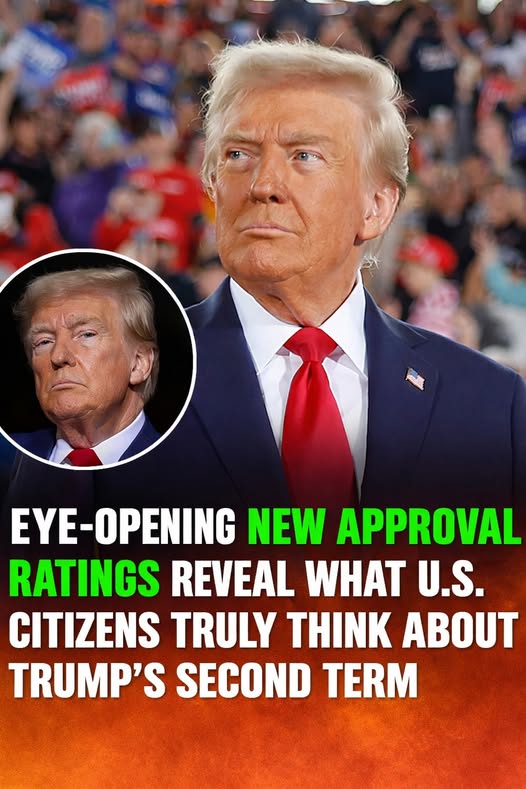
Yet outside of that spectacle, the numbers tell a more sobering story. The polls — the raw arithmetic of democratic sentiment — are grim. Approval ratings have consistently languished well below 50 percent throughout his second year in office, sliding into the high‑30s and, in many surveys, hitting the lowest levels of his tenure. Public dissatisfaction clusters around everyday concerns like cost‑of‑living pressures, where rising electricity and grocery bills undercut the administration’s claims of affordability and economic mastery. What was marketed as triumph is increasingly measured as frustration.
In this second chapter of Trump’s presidency, the central drama has become a collision between performance and perception — between the confident narrative broadcast from the White House and the lived experience of ordinary Americans. On stage, he points to tariffs and energy policy as strategic genius, frames falling gas prices as evidence of economic acumen, and declares unequivocally that the United States under his leadership is safer, wealthier, and more respected than ever before. But in poll after poll, that storyline fails to resonate. Approval remains mired in the high‑30s, disapproval outpaces support, and even within his own party’s ranks, enthusiasm has ebbed.
This tension — between stagecraft and sentiment — animates every corner of his second term. His assertive use of executive power, aggressive immigration crackdowns, and bold foreign policy gambits — from Venezuela interventions to headline‑grabbing overtures toward Greenland — have energized a loyal base while unsettling many more Americans who see chaos where the administration sees clarity. What thrills some is precisely what alarms others: a presidency that thrives on confrontation and controversy more than consensus or calm.
Meanwhile, the country recoils at the mismatch. Rhetoric about prosperity is met with anxiety about everyday bills. Triumphal declarations about tariffs are answered by skepticism over rising consumer costs. Bold assertions of international strength sit uneasily next to concerns about fractured alliances and global unease. In the arena of public opinion, the myth of unstoppable success is colliding with a stubborn, measurable reality that refuses to bend to the script. What remains to be seen — and what may ultimately define this term — is whether the spectacle can ever align with the sentiment of a nation that feels increasingly distant from its leader’s narrative.