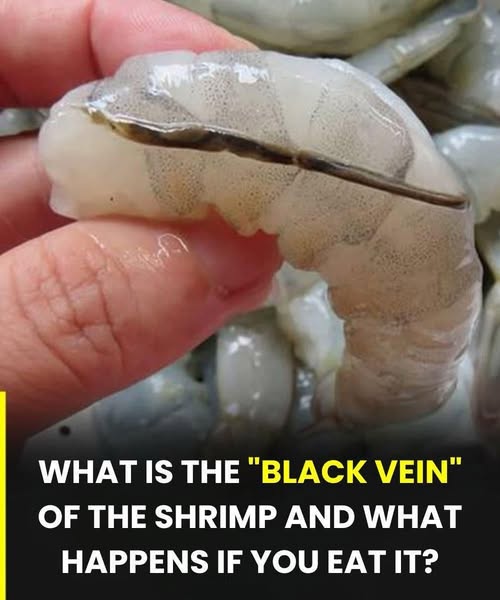
Shrimp arrives at the table looking pristine—curled, pink, and glossy, resting innocently on the plate. But then your eye catches it. A thin, dark line tracing the curve of its back. Once you see it, you can’t unsee it. For some cooks, it’s a nonissue. For others, it’s a deal-breaker. That tiny streak sparks a surprisingly passionate conversation about cleanliness, flavor, and what we’re truly eating when we take that first bite.
Despite what many people call it, that line isn’t a vein at all. It’s the shrimp’s digestive tract—its intestine—often holding the remnants of its last meals: algae, plankton, sand, and microscopic debris from the water it lived in. From a food safety standpoint, properly cooked shrimp with the tract intact is generally safe to eat. But cooking doesn’t change everything. Texture and taste still matter, and that’s where opinions begin to split.
When left in, especially on larger shrimp, that dark line can bring along a faint bitterness or an unpleasant grit. In heavily seasoned dishes—spicy stews, saucy pastas, deep fries—you may never notice it. But in cleaner preparations, like grilled shrimp, shrimp cocktail, or a simple sauté with garlic and butter, every detail is exposed. One bite is all it takes for that subtle grit to pull you out of the experience.
Removing it, known as deveining, is simple and quick. A shallow slice along the shrimp’s back, a gentle nudge with the tip of a knife or even a toothpick, and the line slides free. What remains beneath—a pale, almost translucent line—is just a blood vessel and doesn’t need to be removed. Smaller shrimp are often left untouched, especially when time or volume matters. But for large, centerpiece shrimp meant to be admired as much as eaten, deveining can elevate both the flavor and the look.
In the end, deveining isn’t about fear or fussiness. It’s about intention. It’s a small, almost invisible act of care—a quiet decision to refine the dish just a little more. Your guests may never know why the shrimp tastes cleaner, smoother, more refined. They’ll just know it does. And sometimes, that’s the difference between a meal that’s merely good and one that feels thoughtfully made.