The celebration began well before a single vote was tallied or a single number confirmed. Trump’s allies surged onto television panels, radio shows, and social feeds with the confidence of a victory already sealed. They spoke of roaring tariffs that would bend the world back into line, of cheaper gas that would ease the strain on working families, of a nation that was finally “winning” again after years of apology and decline. At rallies and press conferences, the mood was triumphant, almost theatrical—a carefully choreographed performance of success meant to project inevitability.
But beyond the lights, the slogans, and the echo chambers of loyal applause, another reality has been quietly taking shape. New polls tell a far less celebratory story—one marked by stubborn disapproval, deep public fatigue, and a growing sense that the country no longer knows what to believe, or who to trust. While the rhetoric promises momentum and renewal, the numbers suggest a nation standing still, wary and unconvinced.
Beneath the triumphant speeches and the carefully staged declarations of victory, the divide over Trump’s second term has not narrowed—it has hardened. His supporters see exactly what they hoped for: a fighter who has doubled down on long-promised toughness. On trade, borders, and America’s place in the world, they applaud his blunt certainty and his refusal to soften his tone or apologize for his methods. To them, the chaos is not a flaw but a feature. Disruption, they argue, is the price of real change, and discomfort is proof that entrenched interests are finally being challenged.
They point to his swagger on the global stage and his unapologetic posture at home as signs of restored strength. In their view, the country is richer, safer, and more respected because he is willing to say what others won’t and do what others fear. Every controversy becomes evidence of resolve; every backlash, confirmation that he is over the target.
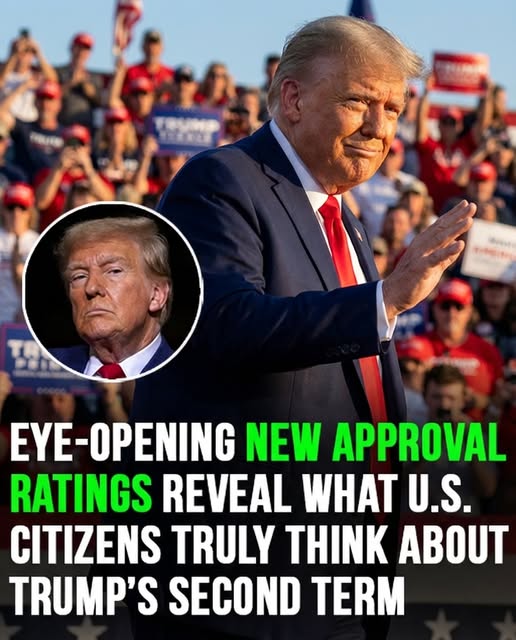
Yet the polling paints a colder, more complicated picture. Roughly four in ten Americans approve of Trump’s performance—a number that has proven remarkably resistant to movement. A clear majority remains skeptical, uneasy, or openly opposed. Many voters see his sweeping economic claims as inflated, his foreign policy victories as more symbolic than substantive. Others view his immigration agenda not as strength, but as a source of needless division that keeps the country in a constant state of tension.
This gap—between the story Trump tells about his presidency and the way much of the public experiences it—may be his most enduring challenge. It is a divide that rallies cannot fully bridge and slogans cannot easily erase. As his allies celebrate and his base cheers, the broader electorate watches with crossed arms, uncertain, exhausted, and unconvinced. In that space between triumph and doubt lies the defining question of his second term: whether a presidency built on unwavering certainty can ever persuade a country that remains deeply, stubbornly divided.