Two Warnings, One Day: How China and Trump Just Shook Washington’s Grip on Latin America
The warning came like a slap — sudden, stinging, and impossible to ignore.
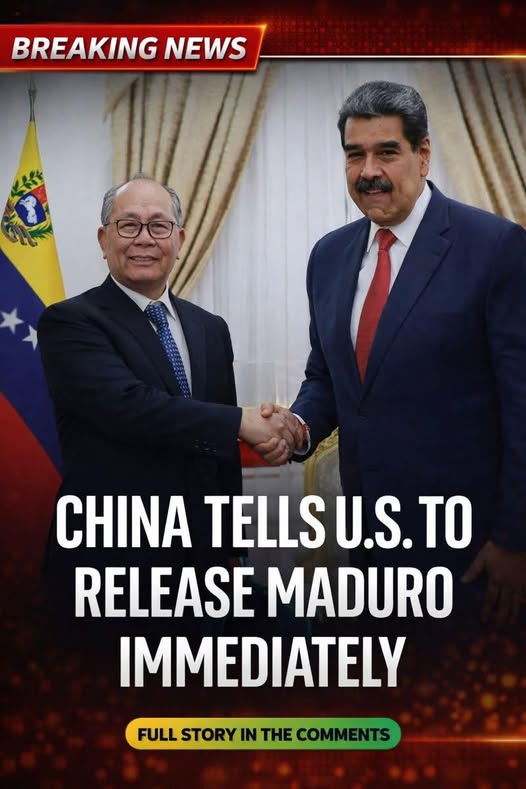
In a move that stunned diplomats and rattled Washington’s foreign policy establishment, China has openly demanded that the United States free Venezuela’s Nicolás Maduro, issuing its statement just hours before the embattled leader’s explosive court appearance in New York.
It was not a polite request. It was a challenge — one that landed squarely in the heart of America’s long-dominant sphere of influence.
And as that diplomatic grenade detonated, another shockwave followed.
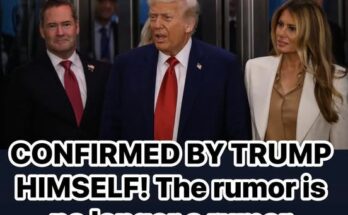
Donald Trump, in a separate outburst, taunted Colombia’s president — calling him “a sick man” and ominously suggesting “his days are numbered.” What might have been dismissed as typical Trumpian bluster quickly morphed into an international incident. In Bogotá, panic rippled through government circles. In Washington, aides scrambled to contain the fallout.
In a single day, two entirely different storms — one from Beijing, one from Trump — collided to expose the fragile limits of U.S. power in its own hemisphere.
Beijing’s Calculated Provocation
China’s message to Washington was unmistakable. By demanding Maduro’s release, Beijing wasn’t just defending an ally — it was staking a claim. It was a deliberate act of defiance, a signal that the global balance of power has shifted far beyond the Pacific.
This wasn’t about oil contracts or diplomatic courtesy. It was a public test of American authority, played out under the glare of the international stage. By tying its prestige to the fate of one of Latin America’s most polarizing leaders, China made a bold statement: U.S. dominance in the Western Hemisphere is no longer unquestioned.
For decades, Latin America was Washington’s uncontested “backyard.” Now, Beijing is planting flags where the stars and stripes once flew alone — not with troops, but with loans, trade, and political leverage.
As one analyst put it bluntly: “When China speaks this directly to Washington about a Latin leader, it’s not diplomacy — it’s a declaration.”
Trump’s Verbal Firestorm
And then came Trump — the unpredictable wild card of American politics, once again reshaping global headlines with a few incendiary words.
In a public tirade, he described Colombia’s president as “a sick man” and hinted he “won’t be in power for long.” To American ears, it sounded like an insult. To Colombian officials, it sounded like something closer to a threat.
For decades, Colombia has been one of Washington’s closest allies in Latin America — a cornerstone of its anti-narcotics strategy and a symbol of post–Cold War cooperation. But Trump’s words cracked that foundation, turning a trusted friendship into a diplomatic fault line.
Regional leaders heard echoes of an older, darker era — one when U.S. presidents saw Latin America as a chessboard of client states and convenient coups.
The New Hemisphere Tension
Now, Washington faces an uncomfortable question: who still listens when America speaks?
China’s sudden intervention on behalf of Maduro — and Trump’s reckless attack on Colombia — have together underscored a brutal truth. The United States, once the undisputed power broker of the Americas, is finding its dominance tested from both inside and out.
Beijing is moving into spaces once reserved for Washington. Trump, through chaos or design, is alienating the very allies the U.S. needs most.
In the span of 24 hours, the global order shifted just slightly — enough for the world to notice.
The slap wasn’t just China’s warning or Trump’s insult. It was the sound of a fading monopoly on power — the echo of an empire hearing, perhaps for the first time, that it no longer commands the room.