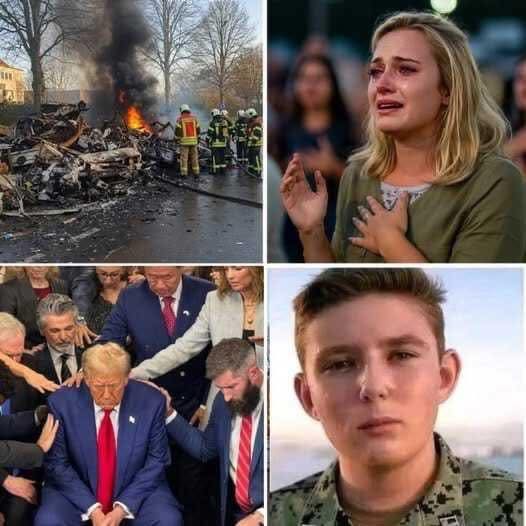
On Thursday, the political world trembled.
Donald J. Trump — the 45th President of the United States and one of the most polarizing figures in modern history — was formally charged with a sweeping series of federal crimes. Prosecutors accused him of conspiracy to defraud the United States, conspiracy to obstruct an official proceeding, obstruction of and attempt to obstruct an official proceeding, and conspiracy to violate rights protected by the Constitution — all tied to his alleged efforts to overturn the results of the 2020 presidential election.
The charges, laid out in a detailed indictment, strike at the core of American democracy itself. They allege that a sitting president, sworn to uphold the Constitution, instead worked to subvert it — orchestrating a multi-pronged campaign of deception, pressure, and chaos that culminated in the violent siege on the U.S. Capitol.
For years, Trump’s critics had warned that his words and actions blurred the line between politics and lawlessness. His defenders, meanwhile, framed every investigation as part of an endless witch hunt. But Thursday’s indictment marked something far weightier than partisan theater — it was the moment when speculation became accusation, when history officially recorded what had once seemed unthinkable: a former president facing the full force of federal criminal prosecution for actions taken while in power.
According to the special counsel’s office, the case centers on a calculated plan — a series of conspiracies involving false electors, pressure campaigns on state officials, and repeated efforts to undermine Congress’s certification of the election results. The indictment portrays a man unwilling to concede defeat, surrounded by loyalists and legal advisers who, prosecutors say, knowingly spread false claims of widespread voter fraud to justify overturning a legitimate election.
Trump, maintaining his innocence, responded swiftly and defiantly, calling the indictment “a disgrace to America” and “political persecution.” His legal team vowed to fight every charge, framing the case as an assault on free speech and political dissent. Yet behind the rhetoric, the stakes are staggering. Conviction on even a fraction of these counts could carry decades of prison time — and would forever redefine the boundaries of presidential accountability.
The nation, once again, finds itself split — not just between red and blue, but between belief and disbelief, between faith in institutions and fear that those institutions have already been irreparably damaged.
As the court date looms and Trump prepares to enter his plea, one truth remains clear: the story of this indictment is not only about one man, but about the fragile experiment of democracy itself — and whether it can survive a test this profound.