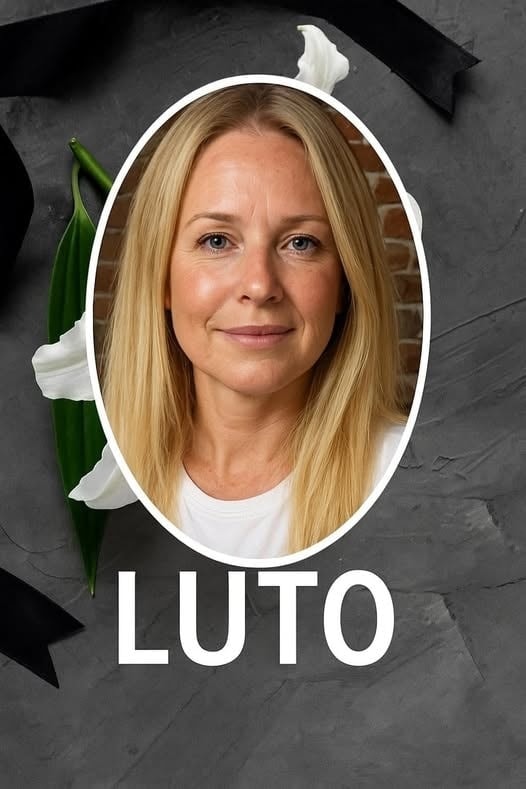
Ana’s death began quietly, almost invisibly—brushed off as “just a period,” a normal part of life that millions of women experience every month without alarm. But within days, what seemed routine turned catastrophic. The vibrant, bright-eyed 20-year-old who had dreams, laughter, and a stubborn, unshakable hope was gone—suddenly, heartbreakingly, and without warning. The circumstances surrounding her passing left friends and family reeling, unable to understand how something so ordinary could mask such a deadly danger.
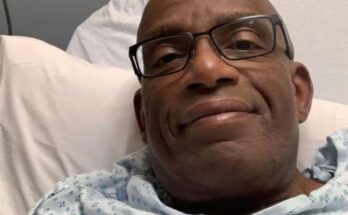
Those who knew Ana remember her energy, her plans for the future, and her boundless curiosity about the world. She was the friend who always had a joke ready, the daughter who kept her family laughing, the young woman whose presence could light up a room. No one expected her life to end in a hospital bed, with whispered questions filling the air heavier than the grief that followed. The shock was overwhelming, a cruel reminder that the most familiar parts of life can sometimes hide the deadliest threats.
Now, Ana’s family has chosen to speak out—not only to honor her memory but to sound a warning that could save lives. Their grief has transformed into a message that resonates far beyond their own circle: listen when women say something feels wrong. Too often, pain, dizziness, sudden changes in bleeding, or fainting are dismissed as “normal” or “part of being a woman.” But doctors are now raising the alarm, urging women and families to recognize the signs that should never be ignored. Extreme menstrual pain, unusual bleeding, sudden weakness, or difficulty breathing can point to serious conditions such as infections, clotting disorders, or other life-threatening illnesses.
Ana’s story is a tragedy that leaves a permanent scar on those who loved her. Yet it is also a crucial lesson, a call to action for families, friends, and the medical community alike. By listening, believing, and acting on women’s warnings, we might prevent another young life from ending before it has truly begun. Ana may be gone, but her story carries a vital, urgent message: pain is not something to push through—it is something to take seriously, and paying attention could be the difference between life and death.