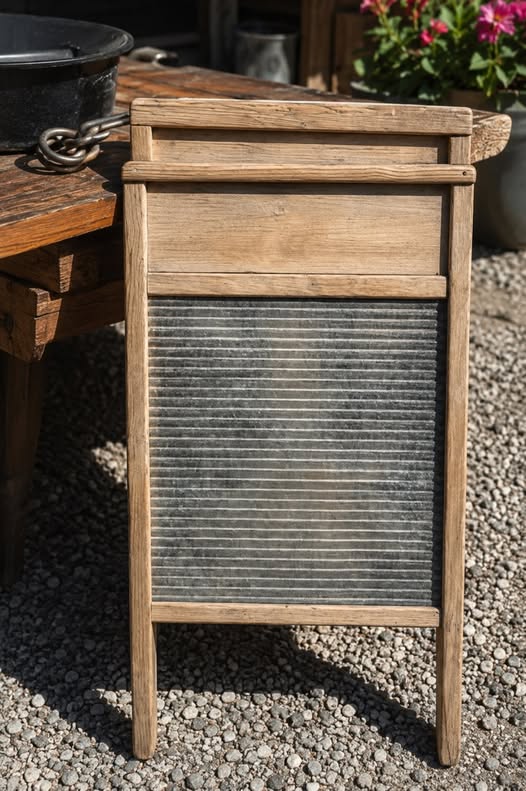
Last weekend, while wandering through a bustling neighborhood yard sale filled with dusty novels, delicate vintage glassware, faded photographs, and towering stacks of worn vinyl records, I stumbled upon an object that immediately captured my attention. Resting quietly among a collection of forgotten household antiques was a beautifully aged wooden machine with cast-iron rollers and polished handles worn smooth by decades of use. At first glance, it almost resembled a decorative piece from another era, but a small handwritten tag revealed its true identity: “Vintage Laundry Wringer.” Curious, I lifted it carefully in my hands, feeling the surprising weight and craftsmanship of the old tool. In that moment, I couldn’t help but imagine the countless families who once relied on simple devices like this long before electric washing machines transformed everyday life.
Today, laundry is often little more than a routine task completed with the push of a button. Modern appliances wash, rinse, and dry clothes in a matter of hours with minimal effort. Yet for earlier generations, laundry day was one of the most demanding household responsibilities. Long before convenience and automation became standard, washing clothes required patience, endurance, and an incredible amount of physical labor. Families often carried heavy buckets of water from wells, rivers, or outdoor pumps, then heated the water manually over wood-burning stoves or open fires. Every piece of clothing had to be scrubbed by hand, carefully rinsed, and wrung dry using sheer strength and determination.
In those days, practical inventions such as washboards, hand agitators, and laundry wringers became essential tools inside nearly every home. Washboards helped loosen stubborn dirt from thick fabrics, while wringers used heavy rollers to squeeze excess water from freshly washed clothing. This process reduced drying time and made soaking garments easier to handle. Though simple in design, these tools represented important innovations that made exhausting work slightly more manageable for hardworking families. They were not luxury items but necessities that supported everyday survival and household routines.
Most early laundry equipment was crafted from strong, durable materials such as hardwood, cast iron, and steel. Unlike many modern products designed for temporary use, these household tools were built to withstand years—even generations—of constant labor. Their sturdy construction reflected a time when people valued durability, craftsmanship, and repair over convenience and replacement. Every scratch in the wood and every mark on the metal carried evidence of years of use, silently preserving the stories of the people who handled them daily.
Beyond the physical labor, laundry day also served as a surprisingly social activity within many communities. Neighbors, relatives, and friends often gathered together while completing chores, transforming difficult work into moments of shared connection. Conversations flowed as clothing soaked in tubs and linens hung beneath the sun to dry. Stories, advice, laughter, and local news were exchanged while hands remained busy scrubbing and wringing fabric. In many ways, these ordinary household routines strengthened relationships and created a sense of community that feels increasingly rare in today’s fast-paced world.
Looking at antique laundry tools now offers far more than simple nostalgia. They provide a fascinating glimpse into a slower, more hands-on way of life where everyday survival depended on effort, cooperation, and resourcefulness. Objects like vintage wringers remind us how dramatically technology has changed domestic life over the last century. As automatic washers and dryers gradually became common in homes, traditional laundry equipment quietly disappeared from everyday routines, replaced by machines that could complete the same work in a fraction of the time.
Despite becoming obsolete, antique wringers and washboards continue to attract collectors, historians, decorators, and vintage enthusiasts who appreciate both their historical significance and timeless craftsmanship. What may now appear to be a charming decorative object once played an essential role inside countless households around the world. Every weathered wooden handle and rusted iron roller tells a silent story of perseverance, hard work, and the routines that shaped earlier generations.
Today, these forgotten household tools stand as meaningful reminders of how much daily life has evolved. They reflect an era when chores demanded creativity, resilience, and patience, while also highlighting the pride people once placed in maintaining durable, long-lasting possessions. Although modern technology has made laundry dramatically easier and more efficient, antique laundry wringers preserve a small but valuable piece of everyday history. They continue to fascinate modern audiences not only because of their appearance, but because they connect us to the lives, struggles, and traditions of the people who came before us.