If you’ve ever come across a post that says, “If you bring this plant into your home, your entire life will transform,” you probably already know the feeling it creates. It’s instant intrigue—almost like someone just handed you a quiet secret wrapped in green leaves. Suddenly, a simple houseplant isn’t just decoration anymore. It becomes a promise: better luck, more money, purified air, deeper sleep, calmer thoughts, and maybe even a softer version of your own life—all contained within a single pot on your windowsill.
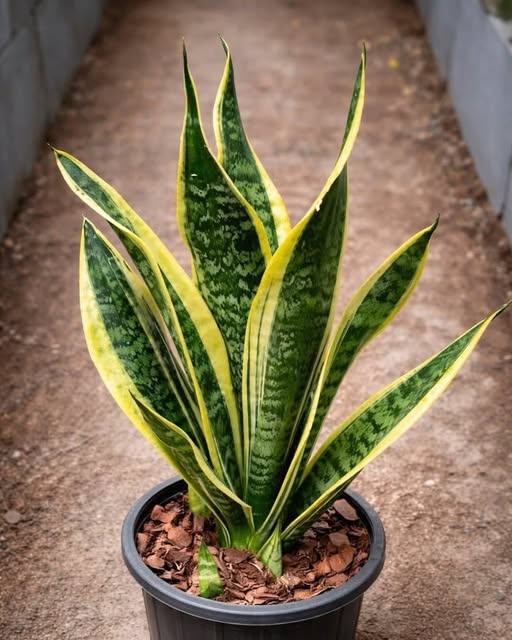
These ideas spread easily because they speak to something deeply human. We’re drawn to the possibility that change can be simple, tangible, and alive. A snake plant standing tall in the corner begins to feel like a silent guardian, supposedly filtering away invisible toxins and replacing them with purity and protection. A money plant trailing gently from a shelf starts to resemble a quiet invitation for abundance, as if prosperity might grow the same way its vines do—steady, patient, and unstoppable. A pot of lavender near the bed becomes more than a scent; it turns into a ritual of rest, a soft suggestion that sleep doesn’t have to be a battle every night.
Even when we intellectually understand that these claims are often exaggerated, something else happens emotionally. We still want to believe. Because plants, unlike most things in our modern lives, are gentle. They don’t demand much. They don’t argue. They just exist, grow, respond, and slowly change with time. And in a world that often feels rushed, noisy, and unpredictable, that alone can feel like magic.
But the real story of plants—stripped of viral captions and mystical promises—is even more interesting, and far more grounded. What they actually offer isn’t instant wealth or guaranteed happiness. Instead, they offer something quieter and more enduring: structure, rhythm, and presence.
A plant asks you to pause. To notice. To return.
You water it, and in doing so, you step out of your mental noise for a moment. You check its leaves, and without realizing it, you check in with yourself. You move it toward sunlight, and somehow you also move yourself toward a small sense of order. These are not dramatic transformations. They are subtle corrections—tiny moments that gently pull you back into the physical world.
A room with plants feels different, not because the air is magically cleansed in an extraordinary way, but because life is visibly happening there. Something is growing. Something is responding. Something is alive and continuing, even on days when you feel like you are not.
And that is where the real power lies—not in superstition, but in participation. In caring for something that cannot rush, cannot fake its progress, cannot do anything except grow at its own pace. It becomes a quiet lesson in patience, in consistency, in accepting that not everything meaningful happens quickly.
Over time, you start to mirror it. Your attention softens. Your breathing slows without instruction. The edges of the day feel less sharp. And in those small, almost invisible shifts, something inside you settles—not because a plant has changed your destiny, but because it has reminded you how to inhabit it more gently.
So no, a houseplant will not rewrite your life overnight. It won’t erase problems or magically open doors to fortune. But it might do something more realistic—and arguably more valuable. It gives you something to care for. Something steady to return to. Something quietly alive that insists, every single day, that growth is still happening, even when you don’t notice it.
And sometimes, that is enough to change how a life feels.