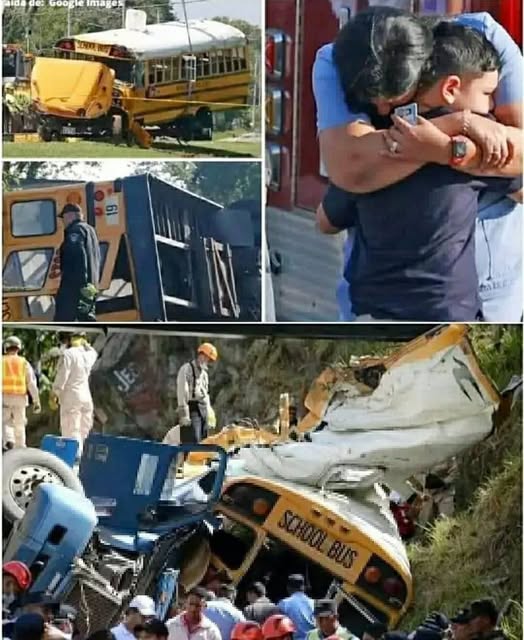
The screams still echo in the memory of Tanzania, carried on the wind as if the hills and valleys themselves refuse to forget. One moment, it was a bus packed with laughter and bright-eyed children, each carrying dreams, notebooks, and lunchboxes. The next, twisted metal and splintered wood lay in a cold ravine, a sudden and incomprehensible rupture in ordinary life. Eight years have passed, yet the questions remain raw, unhealed: Why them? Why that day? Could anyone, anywhere, have stopped it? Parents, teachers, neighbors—an entire nation—still bear the weight of that rainy morning, still whisper the names of the children whose lives ended too soon.
Time has not softened the pain; it has only reshaped it. For the families of the 32 children, the two teachers, and the bus driver, absence is a constant companion. No monument, no speech, no official ceremony can fill the emptiness left behind. Chairs remain empty at dining tables. Bedrooms preserve the echoes of footsteps that will never return. Dreams hang suspended, frozen mid-sentence, interrupted by a grief that refuses to be neatly catalogued. Yet in this void, love persists, stubborn and luminous, refusing to be extinguished by tragedy.
The Karatu disaster did not merely mark a headline; it etched a mirror into the national conscience. Across Tanzania, communities confronted the fragility of their roads, the fragility of the systems meant to protect their children, and the fragility of life itself. Schools held vigils, lanterns and candles casting trembling light on small faces that had survived. Mosques and churches lifted the same names in prayer, voices merging into one solemn chorus of remembrance. Strangers wept in solidarity for lives they would never personally touch, yet somehow felt intimately bound to.
Today, when Tanzanians say, “We still remember,” they are speaking of more than an event. They are honoring 32 stories left unfinished, each a life interrupted, each a thread in the fabric of a community still learning to live with loss. They are acknowledging the fragility of what is taken for granted: safety, laughter, tomorrow. And above all, they are pledging that though these children’s voices were silenced too soon, their memories, their joys, and their dreams continue to shape the living—guiding hearts, shaping decisions, and reminding a nation that remembrance is not passive; it is a living act of love.