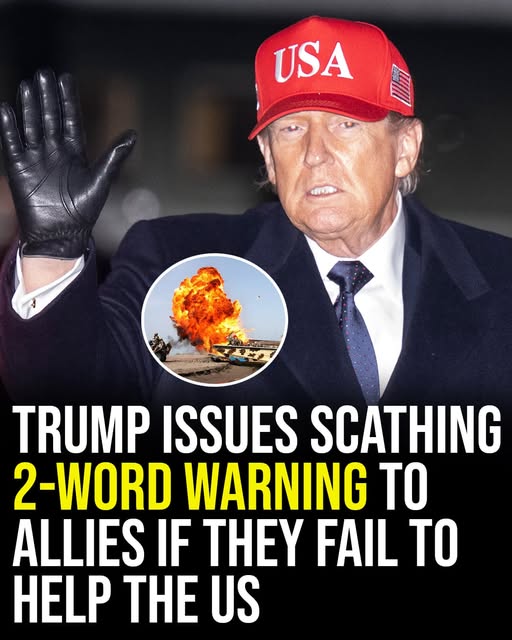
Oil prices are surging, fleets of tankers are immobilized, and global tempers are reaching a breaking point. In the narrow, tense waters of the Strait of Hormuz, a crisis that could ripple across the entire world economy is quietly but relentlessly spiraling out of control. Iran has been aggressive—laying mines, issuing threats to foreign tankers, and daring the West to make the first move. And now, former President Donald Trump has drawn a stark line in the sand, warning NATO allies and China alike: act decisively, or face the consequences.
Over a thousand tankers now sit stranded near Hormuz, their engines idling, cargoes at risk, and schedules thrown into chaos. Crude oil prices have surged past $100 a barrel, amplifying fears of inflation and economic strain for households, businesses, and governments alike. What might seem like distant geopolitical maneuvering is, in reality, a direct hit on everyday lives—from commuters watching the gas pump climb to small businesses struggling to absorb rising energy costs. Iran’s partial closure of the strait, reinforced by strategically placed mines and threats targeting U.S.-linked vessels, has transformed this vital artery of global trade into a potential flashpoint. One misstep, one miscommunication, and the situation could escalate from tense standoff to open conflict.
Trump’s warning is no casual threat; it is a calculated test of loyalty and resolve. Europe is reminded of the United States’ unwavering support in Ukraine, but the question he poses is stark: will those same allies stand firm when the danger lands on their own shores? By publicly hinting at possible strikes on Iran’s oil infrastructure, Trump shifts the stakes dramatically. Diplomacy teeters on the edge, and the shadow of military action looms large. The world watches with bated breath as every decision in these narrow waters could trigger repercussions far beyond the Strait of Hormuz—economic, political, and even military.
This is not just a story of oil and tankers. It is a high-stakes chess game in which every move carries consequences for nations, markets, and ordinary people alike. And in the tension-filled corridors of power from Washington to Brussels to Beijing, the question hangs ominously: who will blink first—and who will pay the price if no one does?