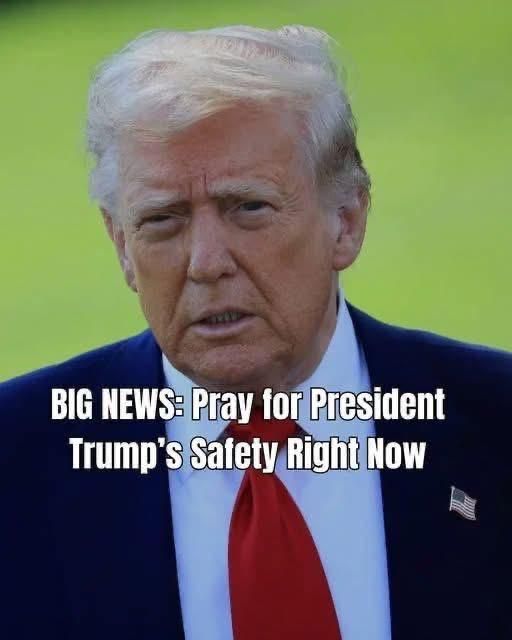
The moment the indictment dropped, the ground beneath American politics seemed to quake. A former president—once the ultimate symbol of authority, now a criminal defendant—stood accused of conspiring against the very system he had sworn to uphold. Headlines flashed across screens and devices: some screamed “witch hunt,” others murmured “long-overdue accountability.” But beneath the partisan shouting, buried in pages of legalese and procedural detail, there lurks a far deeper, more unsettling question: what happens when power, ambition, and deceit collide with the fragile institutions of democracy?
This trial is about more than a single man’s actions after a contentious election. It is a test of the guardrails that hold the American system together—guardrails designed for a moment like this, yet never fully stress-tested. Prosecutors paint a picture of deliberate falsehoods, of pressure meticulously applied, of schemes crafted to turn uncertainty into control. The defense, in contrast, will argue that the former president acted as he always claimed he did: speaking his mind, following his convictions, and exercising political speech—bold, brash, but not criminal. Between these two competing visions sits a jury, tasked with making a historic judgment: can the leader of a nation cross lines the law has never fully defined, and what does that mean for the country he once commanded?
Even before a single verdict is read, the repercussions are palpable. Faith in the justice system—once taken as an unshakable bedrock—now feels fragile. Millions watch, believing the scales of justice may tilt depending on which side of the political aisle they occupy. And yet, the system endures, stubborn in its slow, meticulous insistence: evidence must be presented, arguments must be tested, rulings must be appealed. This is the Constitution’s answer to the collision of law and politics—messy, public, imperfect, but resolute.
When the gavel finally falls, this trial will not simply determine whether one man broke the law. It will, quietly and inexorably, measure something far more profound: how much faith the nation still places in its own rules, in the principles meant to safeguard liberty, fairness, and accountability—even when power itself is on trial. And in that quiet measure lies the fate of a democracy, tested not by foreign enemies or natural disasters, but by the choices and actions of those who once held its highest office.