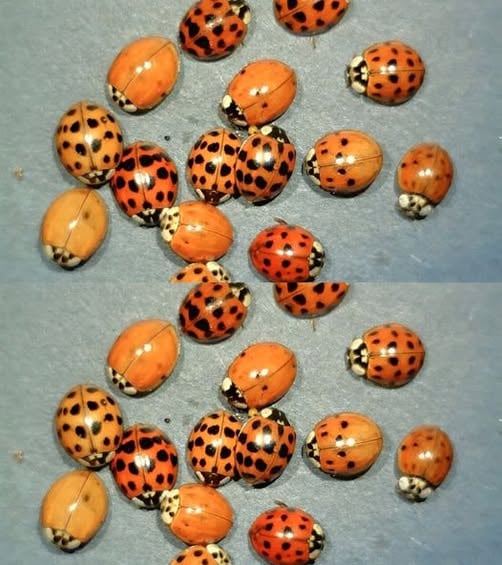
Ladybugs aren’t supposed to be yellow. They are, after all, iconic in their fire-engine red coats, dotted with black, a symbol almost universally recognized as luck, charm, and whimsy. Yet here it is, perched delicately on your sleeve—a small, radiant yellow speck, glowing like a miniature drop of sunlight. It refuses to be ignored. You can’t help but wonder: is this unusual visitor a warning, a blessing, or simply a quirk of nature that science can explain while folklore whispers of fate? Across cultures, gardens, and ecological studies, this tiny yellow traveler captures attention, inviting both curiosity and reflection.
A yellow ladybug is more than a simple color variation; it’s a meeting point where symbolism and science converge in quiet fascination. In many cultures, the unexpected yellow is read as a message of joy, renewal, optimism, or emotional clarity—a gentle nudge to embrace change and pay attention to life’s subtle wonders. Psychologically, the flash of yellow against the familiar greens and browns of the world around you feels electric, a small but striking reminder that even ordinary moments can hold extraordinary meaning.
From a biological standpoint, the yellow ladybug is no stranger to nature’s careful design. Within the Coccinellidae family, color variations are a natural part of genetic diversity. Some species flaunt yellow as a form of aposematic coloration—a way to say, “I’m here, I might be distasteful to predators,” a strategy honed over millennia. Far from being a threat to your garden, many yellow ladybugs are harmless to plants, and some even act as tiny gardeners themselves, consuming powdery mildew and other harmful fungi, quietly supporting ecological balance without a drop of chemical intervention. They don’t sting, rarely bite, and carry no disease.
When a yellow ladybug graces your presence, the wisest response is simple yet profound: pause. Watch it, appreciate it, and let it remind you of the intricate choreography of life that unfolds often unnoticed around us. In that fleeting encounter, there is a chance to reconnect with the delicate complexity of biodiversity, the subtle dialogue between culture and nature, and the unexpected sparks of wonder that transform ordinary days into something extraordinary.