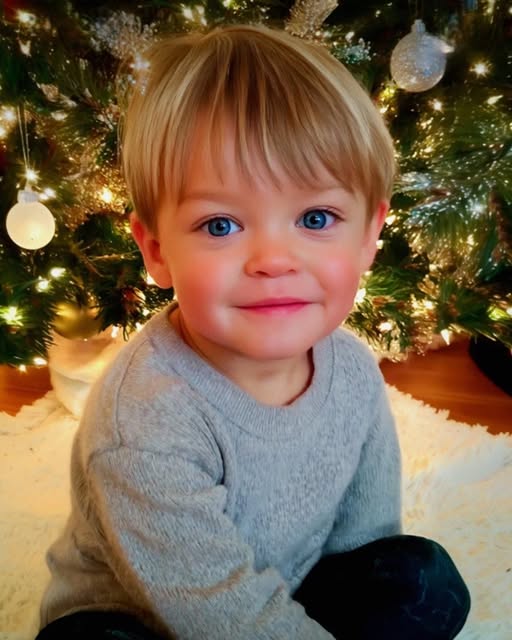
We learned, slowly and without applause, that healing does not arrive the way it does in films. It doesn’t swell with orchestral music or unfold in dramatic reconciliations framed by doorways and tearful embraces. There is no single, cinematic moment when everything breaks open and suddenly makes sense. Real healing is quieter than that. It moves in whispers. It hides in the smallest gestures, in changes so subtle you almost miss them if you aren’t paying attention.
It looked like a backpack left unzipped on the living room floor—unguarded, forgotten—because somewhere deep inside, he had begun to believe that no one would rifle through it, that his things would still be there in the morning. It looked like a dinner plate carried back to the sink with a single bite left behind, not scraped clean in urgency, because hunger was no longer an emergency to prepare for. It looked like shoulders that no longer curled inward at every sudden sound, like footsteps that no longer mapped escape routes in every unfamiliar room.
Before his words changed, his body told the story. The tightness in his jaw softened. The quick, darting glances over his shoulder grew less frequent. The way he once hovered near the trash can—ready to hide food for later, just in case—shifted to casual glances, then to nothing at all. Safety reached his muscles before it reached his vocabulary. Trust settled into his nervous system long before he could name it.
What changed him was not our certainty or grand declarations about forever. It wasn’t a perfectly chosen speech or a breakthrough conversation. It was our consistency. The steady rhythm of showing up. Showing up after the hard days. Showing up after the slammed doors and the testing words meant to see if we would leave. Showing up after the setbacks that made progress feel fragile. Showing up on the nights when nightmares came roaring back and the past refused to stay quiet.
It was every breakfast made, even when appetite was uncertain. Every boundary held, even when it would have been easier to bend. Every calm, unwavering “You’re safe here,” spoken not as a promise of perfection but as a commitment to presence. Each small, repeated act laid another brick in something he had never been given before: permanence. Not the kind that dazzles. The kind that endures.
He didn’t suddenly trust us. He examined us. He tested us. Again and again. He watched to see if our reactions would change, if our patience would expire, if our words would fracture under pressure. He stacked evidence carefully, piece by piece, weighing it against a lifetime of reasons not to believe. And over time, the evidence grew heavier than his fear.
Then one ordinary afternoon—without fanfare, without announcement—he laughed. A full, unguarded laugh that filled the room. And he didn’t glance toward the door. He didn’t measure the distance to an exit. He didn’t brace himself for what might follow joy.
That was when we understood.
The bravest thing a wounded child can do is not to speak about the pain. It is not to forgive. It is not even to say “I trust you.” The bravest thing a wounded child can do is to stay—to risk belonging, to risk being known, to risk believing that this time, the safety will hold.
And on that quiet afternoon, without saying a word about it, he chose to stay.