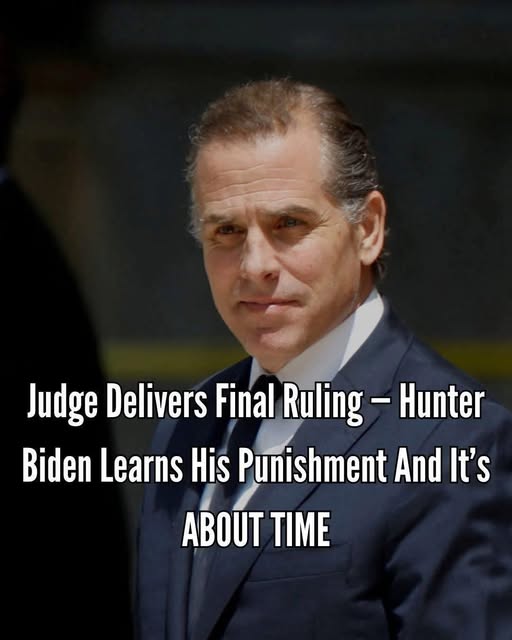
Hunter Biden’s fall from grace is no longer a matter of speculation or partisan spin—it is now official, final, and irreversible. A man once armed with a Yale Law degree, elite credentials, and the unmatched advantage of a presidential surname has been stripped of the last symbols of professional legitimacy. Pardoned by the most powerful office in the land, yet punished by the profession that once defined him. Forgiven in the eyes of the law, but exiled from the legal world he trained his entire adult life to inhabit. Behind the procedural language and ethical rulings lies a stark and unforgiving truth: some stains do not fade, even in Washington, where almost everything else eventually does.
Hunter Biden’s disbarment in Connecticut—following closely on his decision to surrender his law license in Washington, D.C.—slams shut the final door on a legal career that once seemed untouchable. This was not merely a technical setback or a temporary suspension. It was the formal erasure of a professional identity built on pedigree, access, and promise. The presidential pardon shielded him from incarceration, but it could not insulate him from a profession that treats trust as sacred and integrity as non-negotiable. Ethics committees do not answer to polls, party loyalties, or family dynasties; they answer to conduct, character, and the fragile confidence of the public they serve.
By consenting to disbarment, Biden avoided the spectacle of a drawn-out, public disciplinary hearing—no testimony dissected, no personal history laid bare under oath. But in doing so, he accepted a quieter, more enduring punishment: permanent exclusion from the very work that once gave him status, structure, and credibility. The courtroom, the title, the authority—gone, with no path back. What remains is interpretation. To some, he is the embodiment of privilege bruised but ultimately cushioned, a man spared the harshest consequences others might face. To others, he stands as a sobering cautionary tale—of addiction, reckless choices, and the hard limits of power when personal failure collides with professional standards.
The message left behind is uncomfortably clear and deeply instructive. The law itself may bend beneath political pressure, executive mercy, or historical circumstance. But professional judgment has a longer memory. It records everything. And when the ledger is finally closed, no pardon can rewrite it.