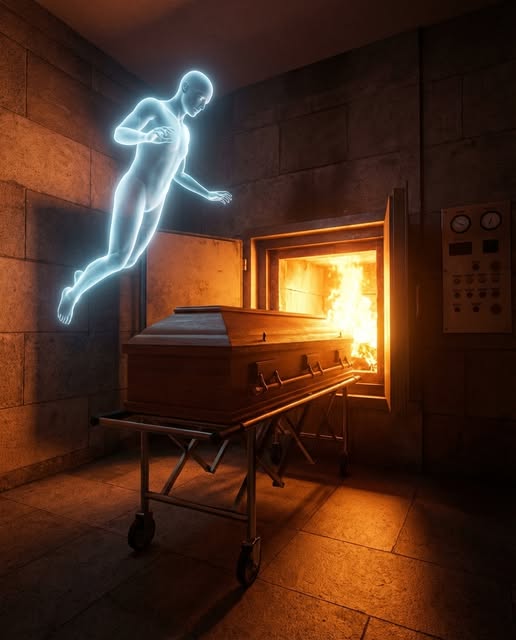
When the Body Meets the Flame: Rethinking Faith, Burial, and the Promise Beyond Death
The question no one wants to ask lingers in the quiet corners of modern faith: what happens to belief when the body meets the flame?
As cremation steadily overtakes burial across the Western world, it brings not only practicality but unease — an unspoken worry that something sacred may be slipping away. The coffin, the grave, the slow return to earth once carried layers of ritual and reassurance. Now, as ashes replace soil, generations raised on the language of burial are left to wrestle with Scripture, symbol, and fear, asking whether a single decision could alter something eternal.
For centuries, Christians have found comfort in the physical act of burial. From Abraham’s tomb at Machpelah to the garden tomb that once held Christ, laying the dead to rest in the earth has embodied tenderness, reverence, and hope. It was never just about disposal — it was about promise. To return a body to the ground was to acknowledge both mortality and expectation: “For dust you are, and to dust you shall return.” The grave became a seedbed for faith — a place where what was sown in weakness would one day rise in glory.
This vision shaped not only theology but imagination. Families gathered in churchyards that told the story of generations, their stones whispering of continuity and belonging. Funerals were slower, more tangible. The body remained a presence — prepared, viewed, carried, and committed to the earth in a gesture that bound grief to hope. Burial grounded belief in the visible world, in touch and ritual, in the physical act of waiting for resurrection.
But the modern world has grown impatient with waiting. Space is scarce, costs climb, and mobility has scattered families far from ancestral plots. In this shifting landscape, cremation seems cleaner, simpler — a practical choice for a transient age. Yet beneath the efficiency lies a quiet ache: what happens to the meaning when the body vanishes in smoke instead of resting in soil? Has the sacredness of death been diminished, or merely transformed?
The truth, for many theologians and believers, runs deeper than tradition alone. The heart of Christian hope has never depended on the preservation of flesh and bone. The Bible is filled with stories of the lost and the scattered — bodies consumed by sea, flame, and time — yet none fall beyond the reach of divine restoration. “He will raise them up on the last day,” the Gospel promises, not because of what remains, but because of who remembers. God’s power, after all, begins where human control ends.
In this light, cremation need not signal a loss of faith but a reframing of it. What matters most is not whether the body is lowered into earth or lifted into flame, but the heart’s posture — trust over fear, reverence over routine. If the choice is made in love, guided by conscience and hope, then it becomes another form of surrender: a returning of what was always God’s to begin with.
Perhaps that is the deeper lesson hidden in this modern shift — that resurrection was never about the soil alone. It is about the One who calls forth life from dust, from ashes, from nothing at all.
And so the question, once whispered in anxiety, may yet become a prayer of peace:
Even from the fire, Lord, remember us. Even from the ashes, raise us new.