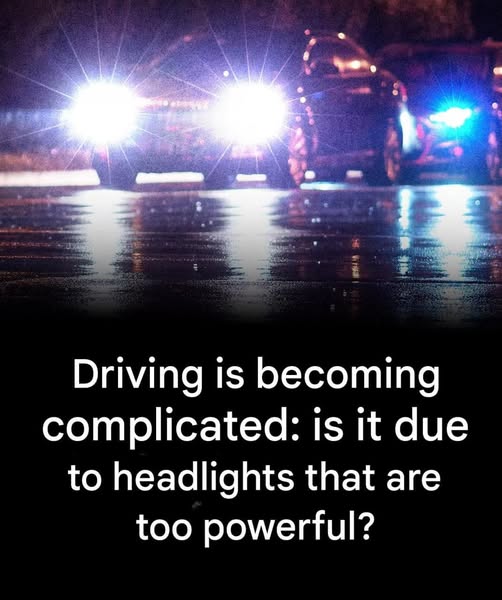
The glare hits you like a punch in the face. For a heartbeat, the world dissolves—streets vanish, lane markings blur, and your hands clench the steering wheel a little tighter than usual. A whisper of doubt crawls into your mind: is it just your eyes playing tricks, or have car headlights somehow become weapons of the night? Every evening, on roads from quiet suburbs to bustling highways, millions of drivers wrestle with the same unsettling question. The answer isn’t mysterious—it’s hiding in plain sight, tucked into a mix of evolving technology, aging vehicles, and tiny details most of us never notice.
Modern LED headlights are marvels of engineering. Designed to cast a sharper, whiter, and farther-reaching beam, they promise safer, clearer nights. Yet that very brilliance can become a double-edged sword. Their concentrated light, especially when aimed improperly or encountered at eye level from SUVs and taller vehicles, can overwhelm tired eyes in a flash. Add rain, fog, or reflective surfaces, and the effect multiplies: the road seems to dissolve into blinding whiteness, lane lines vanish, and reflexes tense as your brain struggles to process the glare. It’s not just brightness that matters—it’s color temperature, beam focus, and direction. One poorly adjusted headlight can turn a simple drive into a test of patience, nerve, and trust in your own vision.
But here’s the silver lining: this isn’t a curse you have to accept. Small, deliberate actions can restore your confidence behind the wheel. Have your headlights professionally aligned. Learn to use the manual beam adjustment when carrying heavy loads. Keep your windshield spotless, inside and out—smudges and streaks multiply glare more than you realize. And remember the subtle trick seasoned drivers use: look slightly to the right of oncoming headlights, letting your peripheral vision guide you while shielding your eyes from the worst of the glare.
Even better, technology is catching up. Smarter, automatically adjusting headlights are rolling out across new vehicles, softening intense beams, following curves, and reacting to traffic conditions. The promise is clear: night driving that no longer feels like a minefield of blinding lights. Instead, it can become smoother, calmer, and safer—letting drivers see the road ahead without fear, and rediscover the quiet confidence of nighttime travel.