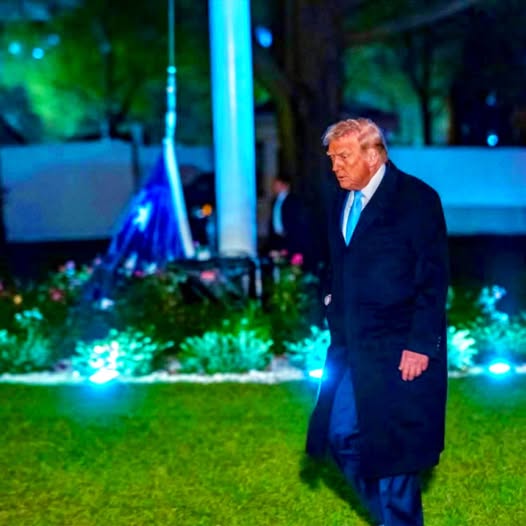
On a tense Thursday that sent shockwaves through political circles and legal institutions alike, federal prosecutors unveiled a sweeping and deeply consequential set of accusations against the former commander-in-chief. The announcement did not arrive quietly. Instead, it landed with the force of a political earthquake—immediately igniting debate, concern, and intense scrutiny from every corner of the country.
At the center of the indictment are allegations that paint a picture of a calculated and sustained effort to undermine some of the nation’s most fundamental democratic processes. Prosecutors describe claims involving conspiracy, obstruction of an official proceeding, and an alleged attempt to interfere with constitutional rights that have long been regarded as the foundation of the republic. While the document lays out broad outlines of misconduct, significant portions remain under seal, leaving the public with only fragments of the full story and fueling even greater anticipation about what may yet be revealed in court.
In the immediate aftermath, political allies rushed to defend, clarify, or distance themselves, while critics viewed the development as long-awaited accountability at the highest level. Across media platforms and government corridors, reactions unfolded in real time—part alarm, part calculation, and part preparation for what could become one of the most consequential legal battles in recent history. The atmosphere surrounding the case is not merely legal; it is profoundly political, with implications that extend far beyond any single courtroom.
Beyond the headlines and partisan responses lies the slow, deliberate machinery of the justice system, now tasked with examining evidence, testing arguments, and applying precedent under extraordinary public attention. Every filing, hearing, and procedural decision is likely to be dissected and debated, not only by legal experts but by a nation already deeply divided in its interpretation of events.
For everyday citizens observing from a distance, the case represents more than a legal proceeding—it has become a broader test of institutional resilience and public trust. Regardless of political affiliation or personal belief about the accused, the unfolding process will likely shape how future generations understand accountability, executive power, and the durability of democratic norms.
As the case moves forward, one reality remains clear: restraint, patience, and a commitment to verified facts will be essential. In a climate saturated with speculation and rapid commentary, the courts now carry the burden of separating allegation from proof, ensuring that judgment is guided not by noise, but by evidence and law.