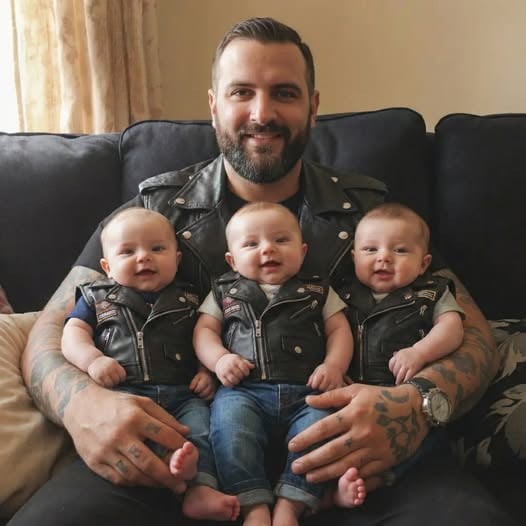
The first punch didn’t land in a courtroom. It landed in a sterile, fluorescent-lit hospital hallway, the kind where the air smells faintly of bleach and despair. Diesel’s hands were slick with blood, his knuckles raw, trembling—not from fear, but from rage. On the cold floor lay his sister, lifeless, the future they had dreamed of together evaporated in a single heartbeat. That was the moment he realized that life didn’t play fair, that justice wasn’t waiting politely behind a desk in a suit.
Joe, the wealthy banker who once dismissed Diesel’s family as unworthy, now wanted the sons he had once abandoned. His velvet-voiced threats carried the weight of money and influence, but they could not erase the past, nor the bond forged in the quiet hours of sacrifice. Diesel, a tattooed veteran who had seen the worst humanity could offer, was branded “gang trash” by a world that judged skin, scars, and choices instead of heart and courage. The system tilted against him, against the boys, against everything he had fought to protect. And yet, he stood.
For years, Diesel navigated a relentless gauntlet of sleepless nights, invasive inspections, and whispered threats. Every night that he cradled one of the boys, rocking them while the world slept, was a defiance of Joe’s polished lies. Every scraped knee mended, every meal served, every late-night reassurance—“Uncle Diesel, don’t let them take us”—etched itself deeper into his soul than any tattoo ever could. The world may have called him “gang,” but he was the anchor in a storm that would have otherwise swept them away.
When the final hearing arrived, the courtroom overflowed with faces Joe had never bothered to see. Widows with bikes fixed by Diesel’s hands, neighbors whose electricity bills were quietly paid so their homes stayed warm, veterans who had survived long nights only because Diesel answered their desperate calls—these were the people who bore witness. The judge no longer saw “gang trash.” She saw integrity, sacrifice, and a man who had shown up every single time it mattered.
Years later, when the boys—now grown with laughter and scars of their own—chose his name as their own, Diesel understood the depth of his victory. He hadn’t merely won custody. He hadn’t just beaten a man with money and influence. He had broken a cycle of abandonment and neglect, and from the ashes Leah left behind, he had built a family. Not the kind the world expects, but the kind that survives, endures, and loves beyond reason. And in that love, Diesel found the justice that the courtroom could never hand him.