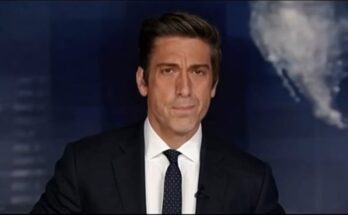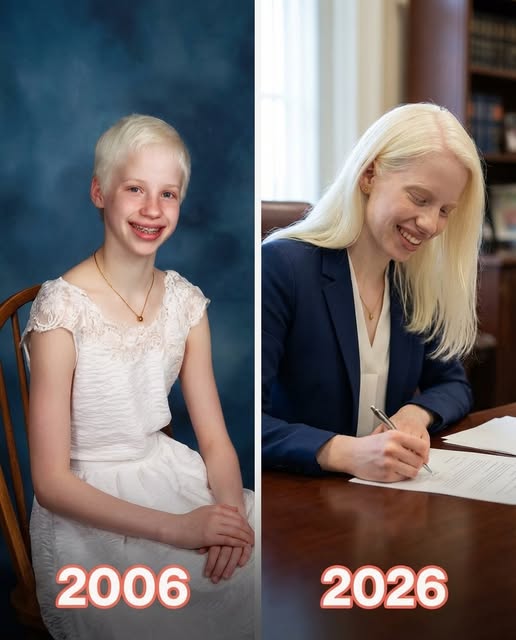
The past didn’t just knock on my door—it barged into my office like a storm, desperate, trembling, and somehow still familiar. Twenty years ago, in the crowded, buzzing halls of our high school, he had made me a joke—a cruel, public spectacle that left me burned with shame in front of everyone. His laughter had echoed in my ears long after the day ended. And now, decades later, the same man sat across from me, a shadow of his former swagger, asking for something I never expected: a $50,000 lifeline. His daughter was sick, his credit in ruins, his pride shattered. And he needed me to help.
I studied him carefully, every line of his face carrying the weight of time and mistakes. The arrogance that had once defined him was gone, replaced by a raw, pleading vulnerability. For a fleeting moment, I felt the old anger flare—the memory of humiliation and the sting of powerlessness. But there was something else, too: the voice of a father who loved his child enough to swallow pride and ask for help.
His apology came out awkwardly, unpracticed, jagged, but real. “I… I was a terrible person back then,” he said, and I heard it in the quiver of his voice. Not a polished, rehearsed line—just the truth of someone finally confronting who he had been. And for the first time, I saw the full weight of the cruelty he had wielded carelessly, without thought for its consequences.
I realized then that I didn’t want revenge. Revenge was hollow; it wouldn’t heal anything, for him or for me. What I wanted—what I could give—was meaning. So I made a choice. I offered him the loan, but not without a cost. A cost far heavier than money. I asked him to face the place where it had all started: our old high school. To stand before the students, to tell them the truth. To admit his cruelty, to name the damage he had done, to warn them not to repeat it.
He hesitated. I could see the old fear flicker in his eyes—the shame of being held accountable. But then he nodded, a quiet, trembling acceptance. The next day, I watched from a distance as he stood in front of the school, voice cracking, eyes wet, no excuses, no defenses. He owned his past in a way I had never expected him to. And in that moment, I signed the loan.
The past didn’t vanish that day, but it changed. It shifted from a wound that haunted me into a lesson that could teach. The bitterness I had carried melted into something else: a choice. A choice to transform hurt into hope, humiliation into honesty, and pain into the power to be better than what had been done to me. And for the first time in two decades, I felt a strange, quiet freedom: the past had arrived, but it left something far greater than it had taken.