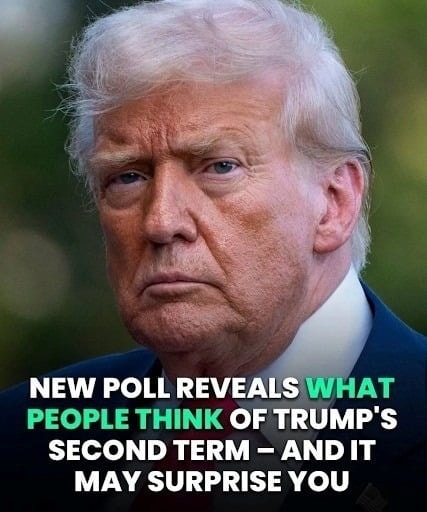
Few political figures in modern American history have provoked reactions as powerful, passionate, and polarized as Donald Trump. Long after departing the White House, he remains a towering presence in the national conversation. His approval ratings are dissected, debated, and analyzed with a level of scrutiny usually reserved for sitting presidents. Yet the numbers themselves tell a story far larger than one man—they offer a revealing portrait of the mood, divisions, and identity struggles shaping the United States today.
What makes Trump’s polling particularly remarkable is not simply where it stands, but how firmly it stands. In a political era often defined by volatility and shifting allegiances, his support has shown striking durability. Among his core base, approval remains not only intact but deeply rooted. To these voters, Trump is more than a former president; he is a symbol of disruption and defiance. They see in him a leader who challenged entrenched political norms, confronted elite institutions in Washington, and voiced frustrations they believed had long been ignored or dismissed.
For many of these supporters, time has strengthened rather than weakened their admiration. Retrospective polling frequently indicates that some now view his presidency even more favorably than they did while he was in office. Economic policies, immigration stances, and his combative posture toward the political establishment are remembered as decisive and unapologetic. Ongoing criticism from media outlets and political opponents often reinforces their loyalty, serving as proof—at least in their eyes—that he truly unsettled the status quo. In this sense, opposition becomes validation, and controversy becomes confirmation of impact.
Yet if Trump’s support is unwavering, so too is the resistance against him.
On the opposite end of the political spectrum, disapproval remains just as intense and deeply entrenched. For millions of Americans, Trump’s name is closely tied to controversy, political upheaval, and profound concerns about democratic norms and institutional stability. Approval polling suggests that negative opinions have not faded with distance from his presidency; in many cases, they have solidified. Critics argue that his leadership style and rhetoric reshaped political discourse in ways they believe were damaging and divisive.
This dynamic creates one of the most extraordinary realities in modern American politics: Trump occupies a space of simultaneous fervent loyalty and fervent opposition. There is often little middle ground. He is not merely liked or disliked—he is championed or rejected with unusual intensity. Such polarization is rare, even in a nation accustomed to partisan divides.
Ultimately, Trump’s approval ratings reveal as much about America as they do about the man himself. They reflect a country grappling with competing visions of identity, leadership, and the role of government. They underscore how political allegiance has increasingly become intertwined with cultural and emotional identity. And they highlight a broader truth: in today’s United States, political figures are no longer just policymakers—they are symbols in a much larger struggle over the nation’s direction.
Whether admired as a bold reformer or criticized as a disruptive force, Donald Trump remains a defining figure of his era. His approval numbers are not just statistics; they are indicators of a deeply divided yet intensely engaged electorate—one still wrestling with the meaning and consequences of his time in power.