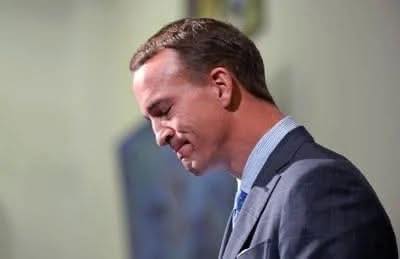
The news arrived like a thunderclap out of a clear blue sky. One moment, timelines were filled with highlights and everyday chatter; the next, social feeds exploded into chaos. Headlines multiplied at dizzying speed. Group chats lit up. For a fleeting, uneasy moment, it felt as though the entire football world had stopped breathing. Peyton Manning—gone? The mere suggestion was enough to send shockwaves through fans everywhere. Hearts skipped. Memories flooded back: crisp autumn Sundays, laser-sharp passes, audibles barked at the line of scrimmage, and a quarterback whose brilliance defined a generation of the game. The disbelief was instant, and the fear felt real—even before anyone had time to ask if it was true.
But as the initial panic began to fade, cracks started to appear in the story. The louder the rumor grew, the more noticeable the silence became where facts should have been. No official announcements. No family statements. No confirmation from authorities. None of the trusted news organizations that normally move swiftly on stories of this magnitude had reported a word. What had spread so rapidly across screens and headlines wasn’t news at all—it was misinformation. A fabricated claim, supercharged by the speed and reach of modern media, had convinced thousands that the unthinkable had happened.
Slowly, the truth came into focus. Peyton Manning was not gone. He was alive. The story was a hoax.
This incident is a stark reminder of the digital age we live in—one where rumors can travel the globe in seconds, often outpacing the truth. A single unverified post can ignite fear, grief, and confusion before anyone pauses to question its source. That’s exactly what happened here. The absence of credible reporting wasn’t an oversight; it was the clearest signal that the story was false. Speculation had disguised itself as fact, and too many people were caught in the rush to react.
Peyton Manning’s name carries weight. His legacy is built on excellence, leadership, and respect for the game, and it deserves far more than to be exploited as clickbait. He remains very much alive, and any legitimate news about his life would come from verified, trustworthy sources—not anonymous posts or sensational headlines designed to provoke emotion.
In the end, this moment offers a quiet but important lesson. Before sharing, pause. Before believing, verify. And before mourning, make sure the story is real. In a world overflowing with information, truth still matters—and it’s worth waiting for.