The pressure on Donald Trump has reached a fever pitch. What once felt like political noise has hardened into a full-blown crisis shaking Washington to its core — rattling allies abroad, spooking markets at home, and leaving even some Republicans contemplating the unthinkable. A president who once seemed untouchable is now facing a crescendo of criticism, not just for his policies but for the very stability of the office he holds.
For months, Trump’s second term has been characterized by escalating gambles that have frayed alliances and tested the limits of political tolerance. His fixation on extravagant geopolitical ideas — like the insistence on buying Greenland — embarrassed U.S. partners and exposed deep fractures in established foreign policy circles. Meanwhile, a sweeping federal immigration enforcement surge in Minneapolis triggered outrage after two U.S. citizens were shot and killed by federal immigration officers in separate incidents earlier this year — first Renée Nicole Good on January 7 and, just weeks later, ICU nurse Alex Pretti on January 24. Both deaths, captured on bystander video and at odds with initial federal accounts, sparked nationwide protests and intensified scrutiny of enforcement tactics by ICE and Border Patrol.
Instead of defusing tensions, the administration’s response fueled them further. Rather than offering empathy or transparent accountability, senior officials labeled the victims in dismissive and confrontational terms, calling them “domestic terrorists” and attributing violent intent without supporting evidence — rhetoric that many legal experts and civil rights advocates argue misrepresents what the footage clearly shows.
As divisions deepen, a central question has seized the national conversation: Is Trump still fit to wield the immense constitutional powers of the presidency? For critics, the answer is increasingly framed around erratic decision-making, defensive posture rather than leadership, and a willingness to escalate crises rather than resolve them.
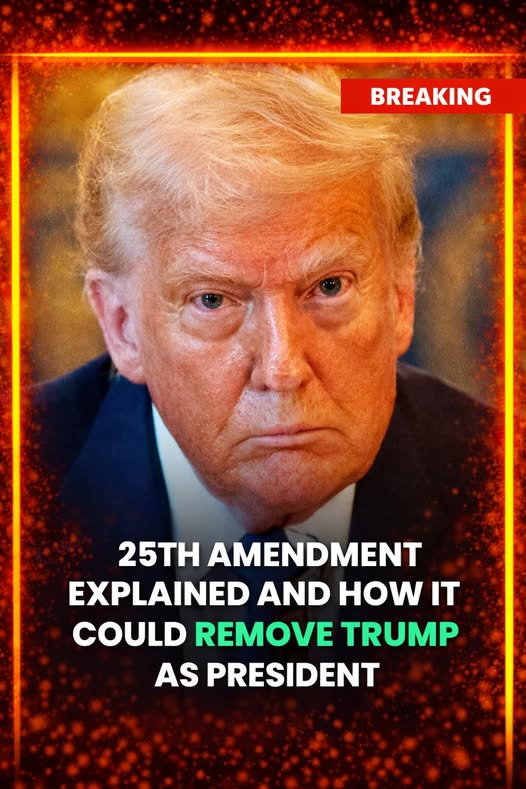
Some Democrats and constitutional scholars have begun pointing to Section 4 of the 25th Amendment as a potential mechanism for transferring power temporarily to Vice President J.D. Vance, should Trump be deemed unfit to serve. Originally crafted as a safety valve for times of incapacity, Section 4 has only been contemplated in the most extraordinary circumstances — and the current debate underscores just how strained the political system has become.
Yet the same forces that have kept Trump in power remain obstacles to decisive action. His grip on the MAGA base is as strong as ever. Many in his own cabinet and among Republican lawmakers publicly express nervousness behind closed doors but stop short of open rebellion. And the specter of political backlash looms over anyone contemplating a constitutional challenge to a sitting president. For now, the 25th Amendment exists as a constitutional reminder that the system has a last resort — even if it may never be invoked.