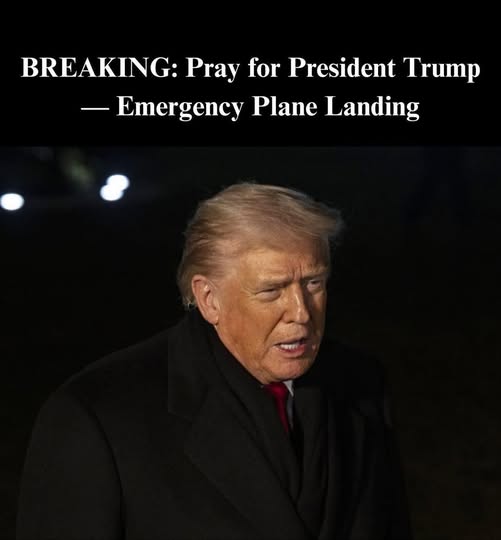
The president’s plane didn’t just change course — it abruptly turned back in the dark, silent sky. Somewhere over the Atlantic, Air Force One reversed direction, its blue-and-white silhouette retreating toward Washington. Officials were quick to downplay it, citing a “minor electrical issue.” Routine. Precautionary. Nothing to see here.
But nothing about this trip was minor.
Not with Europe seething. Not with Greenland suddenly thrust into the center of a geopolitical standoff. Not with a new round of U.S. tariffs hovering over the Atlantic like a blade, poised to drop. In that moment, the mechanical hiccup felt less like bad luck and more like an omen.
The aborted flight to Davos briefly transformed a meticulously scripted presidential journey into a flash of raw vulnerability. Even the most powerful aircraft in the world, carrying the most powerful man in the world, can be forced to turn around by a blinking warning light. Air Force One returned to Joint Base Andrews, and President Trump was quietly transferred to a backup jet — a logistical footnote, perhaps, but a striking reminder of how fragile even the most controlled displays of power can be.
Yet the real turbulence was never in the air. It was waiting on the ground.
By the time Trump finally touched down in Davos, the damage was already unfolding. European leaders arrived braced not for pleasantries, but for confrontation. Hanging over the World Economic Forum was a threat delivered with characteristic bluntness: agree to a U.S. purchase of Greenland — or face sweeping new tariffs on European exports. The opening salvo: a 10% tariff on a broad range of goods, with the warning that it could surge to 25% by June if negotiations stalled.
In Brussels, the response was icy and unambiguous. “A deal is a deal,” officials insisted, pointing to the carefully negotiated 2025 trade framework now at risk. Unraveling it, they warned, would do more than hurt economies — it would fracture trust among long-standing allies and hand strategic advantages to shared adversaries watching closely from the sidelines.
Against that backdrop, the electrical scare that sent Air Force One back to Washington faded almost instantly from memory. In the snow-covered calm of the Swiss Alps, the real shock wasn’t a faulty system on a plane — it was the growing strain on the transatlantic alliance itself. And unlike a tripped circuit breaker, this kind of damage isn’t so easily reset.