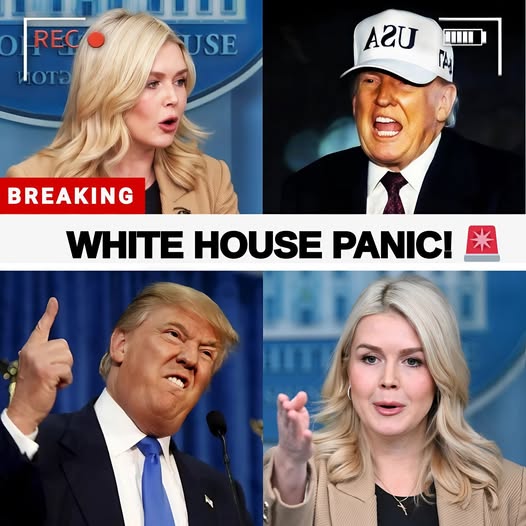
The facade is beginning to crack.
Inside the West Wing, confidence and defiance are colliding with a growing sense of unease as Donald Trump’s approval rating slips unexpectedly and once-reliable conservative voices begin to hesitate. What once felt like disciplined message warfare is starting to resemble something more volatile. Immigration raids staged and filmed like military operations, offhand “jokes” about election interference, revived talk of acquiring Greenland, and sweeping—often unfounded—claims about inflation are no longer isolated provocations. Together, they are fusing into a single, unsettling storyline: a presidency leaning into chaos as both strategy and spectacle.
Allies insist the concern is overblown. Polls, they argue, still show resilience. The base remains energized. The outrage cycle, they say, is simply the cost of confronting a hostile media ecosystem. From behind the podium, the official message remains ironclad: the agenda is advancing, the numbers are improving, and any suggestion of instability is a manufactured narrative pushed by critics who never accepted Trump’s legitimacy in the first place.
But beyond the glare of briefing room lights and carefully curated sound bites, a different reality is taking shape.
Immigration crackdowns now unfold with the aesthetics of combat missions, complete with dramatic footage and hardened rhetoric. Casual remarks about skipping or undermining elections—later waved away as humor—linger uncomfortably in a country already struggling with institutional trust. Speculative talk about purchasing strategically sensitive territory, once dismissed as unserious, resurfaces just enough to reinforce a sense of unpredictability. None of these moments, on their own, are unprecedented. It is their accumulation that changes the temperature.
That accumulation is what has begun to unnerve even some longtime allies. Approval has not collapsed, but the soft edges of the coalition are visibly fraying. Independents recoil at the tone. Moderate Republicans grow quieter, choosing caution over public defense. What once felt like disruptive energy now registers, for some, as fatigue—exhaustion with perpetual confrontation and governing by provocation.
In an era already defined by brittle trust and political burnout, the central question is shifting. It is no longer whether Donald Trump can dominate the national conversation—he can, and does. The more consequential question is whether a weary electorate will continue to accept confrontation as a governing philosophy, or whether, gradually and without dramatic rupture, it will begin to turn the page.
The cracks are still thin. But they are spreading—and history has shown how quickly facades can fail once pressure finds its way inside.