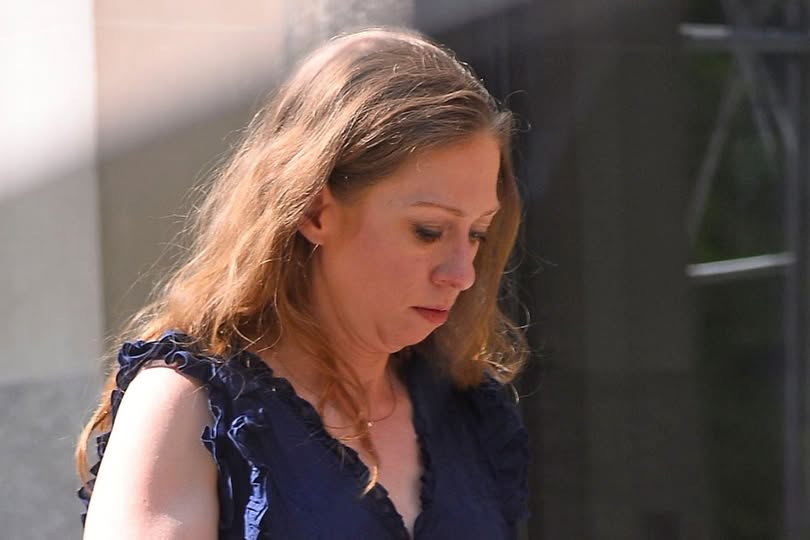
Chelsea Clinton didn’t step forward to announce a scandal or ignite a media firestorm. She stepped forward to name a breaking point. In a room filled with cameras and expectations, she offered something far quieter—and far braver: the truth. Her doctor had given it a plain, almost understated label—“extreme exhaustion.” Not a dramatic diagnosis. Not a hidden illness or whispered surgery. Just a clear warning that her body, after years of being pushed beyond its limits, was done negotiating.
What caught people off guard wasn’t the condition itself, but her candor. Chelsea spoke openly about a life lived at full throttle for too long—advocacy work that mattered deeply to her, constant travel, speeches delivered across continents, and the daily, emotional labor of parenting. Each commitment was meaningful on its own. Together, stacked without pause or permission to rest, they became unsustainable. Over time, exhaustion stopped feeling like a warning sign and began to feel normal. Rest became optional. Fatigue became background noise.
A routine checkup shattered that illusion. What should have been a simple appointment turned into a reckoning. The pace she demanded of herself—out of responsibility, passion, and a desire to show up fully—was quietly eroding her health. When her doctor half-jokingly called it “extreme exhaustion,” the words landed with unexpected force. They weren’t dismissive. They were definitive. A verdict, really. Proof that even work done for the best reasons can exact a dangerous toll if you never stop long enough to listen.
Rather than retreating or minimizing the moment, Chelsea chose transparency. She turned her personal reckoning into a public invitation—especially for those who pride themselves on endurance. She urged people to pay attention to the early signals of burnout before they escalate into something louder and more damaging: the mental fog that won’t lift, the irritability that feels out of character, the emotional numbness, the bone-deep tiredness that no amount of sleep seems to cure. These aren’t weaknesses, she suggested. They’re warnings.
She spoke about boundaries not as luxuries, but as necessities. About saying no without guilt. About asking for help without shame. About treating health as infrastructure—the foundation that makes everything else possible—rather than an afterthought to be addressed only after something breaks.
Her story resonates because it dismantles a powerful myth: that strength is measured by how much you can endure. Chelsea Clinton’s honesty reframes that idea entirely. Sometimes strength isn’t pushing through one more obligation or proving you can carry it all. Sometimes, strength is stopping. Listening. And choosing to protect yourself before the cost becomes irreversible.