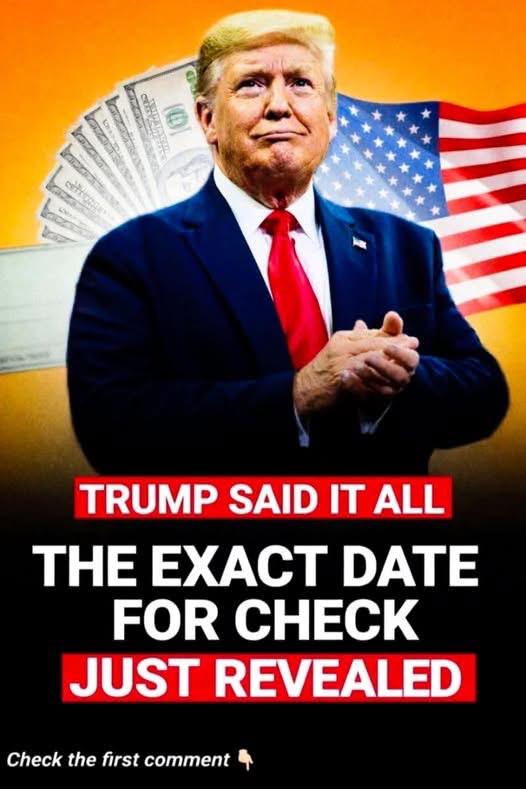
The promise was electrifying, almost cinematic: $2,000 checks from President Trump, paid for by tariffs, arriving with no new taxes and no strings attached. To millions, it sounded like free money falling from the sky—a straightforward gift from Washington to hardworking Americans. Yet beneath the glittering headlines, the reality is far more complicated, and the legal clouds are gathering fast. What happens if the Supreme Court slams the brakes on this plan? Suddenly, what seemed like a simple rebate could turn into a bureaucratic mess—refunds instead of rebates, delays instead of delivery, and chaos instead of clarity.
Trump’s $2,000 “dividend” plan rests on a fragile illusion: the idea that tariffs are a limitless cash machine the president can tap whenever he pleases. In practice, the numbers don’t come close to adding up. Tariffs have generated only a fraction of the funds needed to make this scheme real, and much of that money is already tangled in legal disputes. Should the Supreme Court conclude that Trump overstepped his executive authority in imposing these tariffs, the government could be forced to return those dollars to importers instead of sending checks to Americans. A plan that promised to enrich millions could instead vanish before anyone ever sees a cent.
Even if the courts gave a reluctant nod to the plan, Congress would still have a pivotal role to play—and it’s far from a simple signature. Lawmakers would have to define who qualifies as “working families,” determine income thresholds to exclude wealthier households, and decide the form in which aid would arrive: direct cash, tax credits, or perhaps something even more convoluted. Each of these choices could delay, dilute, or entirely derail the distribution of funds.
For now, the American public holds in their hands not a check, but a familiar feeling of déjà vu: another sweeping promise from a podium that vanishes when it collides with law, arithmetic, and the painstaking pace of governance. It’s a reminder that in Washington, even the boldest pledges often dissolve long before they reach the mailbox.