The world seemed to stop breathing.
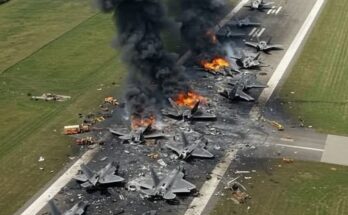
With a single post on Truth Social, Donald Trump detonated more than a headline—he ignited a global alarm. He claimed the United States had carried out strikes on three Iranian nuclear facilities, including the deeply buried and heavily fortified Fordo site. Within minutes, phones lit up in foreign ministries, military command centers, and embassies around the globe. Markets trembled. Diplomats froze mid-meeting. Screens at the United Nations filled with breaking alerts as delegates stared in stunned disbelief, trying to grasp the implications of what they were seeing.
Iran’s response was swift and ominous. Officials in Tehran vowed that the country “reserves all options,” a phrase that echoed like a warning siren through world capitals. It was a familiar line—but no less chilling for its familiarity. Allies quietly whispered that red lines had been crossed. Adversaries spoke openly of retaliation. The fragile balance holding the region together suddenly felt paper-thin.
Trump, for his part, declared the operation a “very successful attack,” framing it as a decisive strike against Iran’s nuclear ambitions. Any lingering illusion of stability evaporated instantly. In Tehran, Foreign Minister Abbas Araghchi condemned the alleged bombardment as “outrageous” and “criminal,” accusing Washington of violating international law and threatening regional and global security. His words were carefully chosen—cold, legalistic, and heavy with intent. When he invoked Iran’s right to self-defense, no one missed the subtext: escalation was now firmly on the table.
In Jerusalem and among some political circles in Washington, the mood was defiant, even triumphant. Supporters hailed the move as historic—a long-delayed blow against a threat they argued had been allowed to grow unchecked for years. But beyond those corridors, the reaction was far darker. In European capitals, diplomats spoke in hushed tones of a world sliding backward, of hard-won agreements and nuclear treaties reduced to ashes overnight. There was little celebration—only dread.
At the United Nations in New York, the atmosphere grew tense and surreal. Ambassadors clustered in urgent side conversations, weighing every syllable before speaking publicly. No one wanted to be the one who misspoke, the one whose words tipped a dangerous moment into an irreversible catastrophe. History, it seemed, was pressing down on the room.
And so the world waited—once again—suspended in uncertainty. Waiting to see whether this shock would end in restraint or retaliation. Waiting to see who would move next, and how far they would go. In that uneasy pause, one truth was undeniable: the global order had just been jolted, and nothing felt stable anymore.