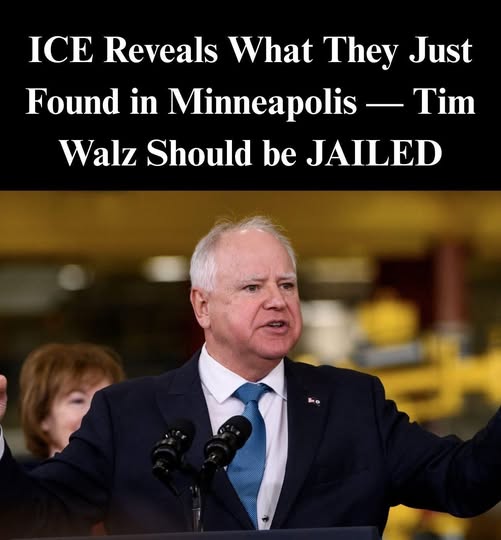
A convicted sex offender lived openly in Minneapolis for years — and now that long shadow has erupted into one of the most explosive disputes in modern U.S. immigration politics. What began with a federal arrest has quickly grown into a dramatic standoff over sanctuary-style policies, public safety, and the limits of local versus federal authority, with accusations flying at the highest levels of Minnesota’s leadership.
Federal immigration authorities say Mahad Abdulkadir Yusuf, a Somali national, was finally taken into custody on December 31 in Minneapolis after evading apprehension for years — despite a history that includes a conviction for first-degree criminal sexual conduct and an active warrant for obstructing police. According to U.S. Immigration and Customs Enforcement (ICE), previous efforts to arrest him were blocked when a building manager refused federal agents entry, and local policies limited cooperation that might have led to an earlier detention. Federal officials charge that sanctuary-style approaches by Minnesota Governor Tim Walz and Minneapolis Mayor Jacob Frey helped enable that outcome.
ICE publicly framed the case in blunt terms: a dangerous offender was “allowed to roam free” while layers of local and city directives constrained federal enforcement. The agency described sanctuary policies and misinformation about how immigration raids should work as direct contributors to the obstacles its agents faced — from blocked doors to delayed arrests — that kept Yusuf at large despite his criminal record.
For their part, Governor Walz and Mayor Frey reject those accusations as politically charged mischaracterizations. They argue their policies are not about shielding criminals but about preserving community trust — so that immigrant residents feel safe reporting crime and engaging with local law enforcement without the constant fear of deportation. Their defense leans on the long-established belief that policing relies on cooperation, not intimidation.
But the Yusuf case has crystallized a central tension at the heart of the sanctuary debate: when the person at the center of the controversy is a violent felon, where does the effort to protect community trust end and the imperative of public safety begin? This question now reverberates far beyond Minneapolis, cutting to the core of how American cities balance competing responsibilities to vulnerable populations and overall security.
The stakes have escalated even further. A criminal investigation has been opened by the U.S. Department of Justice into whether Walz and Frey conspired to obstruct federal immigration agents through their public statements and policies — a rare and intense use of federal prosecutorial power against sitting local officials. The investigation was reported to be examining whether comments and actions by the governor and mayor crossed legal lines into interference with federal enforcement work.
That probe unfolds against a backdrop of broader turmoil. Minneapolis and the surrounding region have been the focus of one of the largest federal immigration enforcement operations ever conducted, bringing thousands of federal agents into the community and sparking protests, legal battles, and fierce debate about state sovereignty versus federal authority.
In this charged environment, Yusuf’s arrest is not just a law-enforcement milestone. It has become a flashpoint — a symbol of a fractured nation wrestling with its own ideals about justice, safety, immigration, and the very nature of governance. How this battle resolves will likely shape the sanctuary debate for years to come, with Minneapolis standing as both a battleground and a bellwether in a broader national struggle.