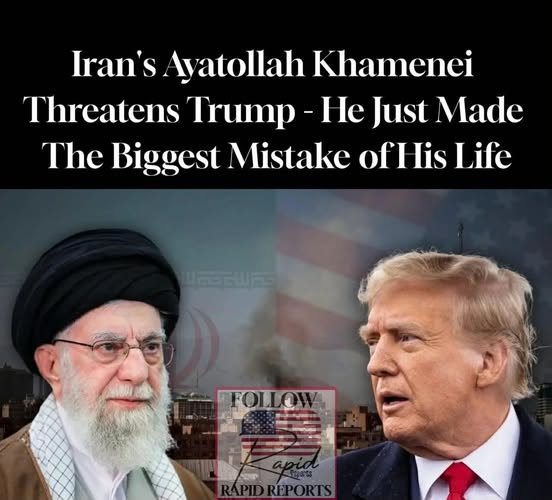
Iran’s threat was no idle gesture. In a rare, tense session broadcast live across the nation, Iran’s parliament became a stage for a message that reverberated far beyond Tehran’s walls. Chants of “Death to America” echoed through the chamber as Speaker Mohammad Bagher Qalibaf delivered a warning that left little room for misinterpretation: U.S. bases, naval vessels, and regional allies could soon be in the crosshairs. The words were deliberate, sharp, and chilling—a reminder that Tehran’s hardline leadership is prepared to escalate if provoked.
Qalibaf chose his moment carefully. The speech came amid swelling domestic unrest, as protests and demonstrations swept through Iranian cities, fueled by economic hardship, political repression, and a growing demand for change. Rather than addressing domestic grievances, Qalibaf projected defiance outward, framing any American action inside Iranian territory as an immediate trigger for retaliation. Lawmakers, echoing his stance, chanted slogans of hostility while backing harsh measures to quell protests, signaling that internal dissent and external threats were now intertwined in Tehran’s strategy.
Across the globe, the response was swift and unmistakable. Former President Donald Trump, speaking with his characteristic bluntness, insisted that the United States was “locked and loaded,” prepared to respond with overwhelming force if Iranian actions escalated. The rhetoric paired Iran with Israel as shared adversaries, framing a geopolitical narrative in which both countries could face coordinated resistance from the U.S. and its allies. Each declaration, each veiled threat, tightened the tension around a region already teetering on the edge.
For observers in Washington, Jerusalem, and beyond, the stakes are immense. What began as domestic unrest within Iran now risks sparking a confrontation that could extend far beyond city streets, reshaping alliances and drawing multiple nations into a conflict fraught with uncertainty. Analysts warn that missteps—or misinterpretations—on either side could ignite a chain reaction, turning calculated posturing into open conflict.
The situation is a precarious balance of power, where words carry the weight of potential violence and every move is measured in lives, territory, and global stability. Iran’s leadership appears willing to gamble, signaling that internal unrest and external aggression are part of a single strategy. Meanwhile, U.S. officials must navigate the fine line between deterrence and provocation, aware that any escalation could have consequences far beyond the immediate flashpoints.
As chants of “Death to America” fade from Iranian television and news outlets track military movements in the Persian Gulf, the world waits, tense and uncertain. The countdown has begun, and the decisions made in the coming hours and days could determine whether the region lurches toward confrontation—or whether diplomacy, restraint, and careful calculation manage to avert a crisis that could reshape the Middle East.