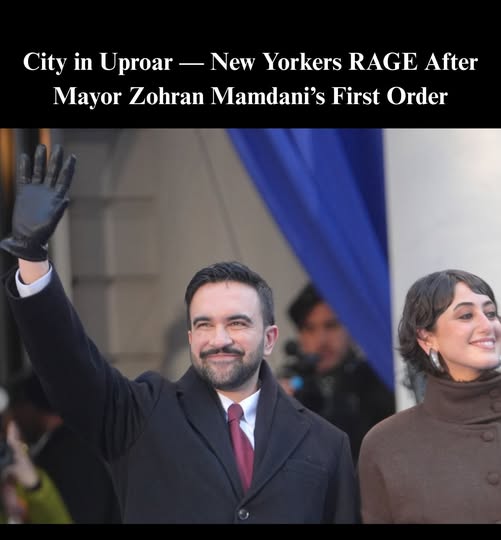
Mamdani didn’t waste a single day. Within hours of being sworn in as New York City’s new mayor, the city’s youngest democratic socialist stepped off the campaign stage and straight into action. Executive orders cascaded from City Hall, each one aimed squarely at landlords, real estate magnates, and the political establishment that had long guided the city’s skyline and housing markets. To his allies, it was justice at last; to his critics, it was a warning shot fired across the bow of property owners nationwide. From the sidelines, progressive icons like Bernie Sanders and Alexandria Ocasio-Cortez cheered the move as a victory for tenants. Meanwhile, Republicans and conservative commentators smelled political opportunity — a perfect foil to define their 2026 messaging and paint Mamdani as the archetype of socialism run amok.
Zohran Mamdani opened his term by transforming campaign slogans into enforceable policy. The Mayor’s Office to Protect Tenants, long considered a bureaucratic afterthought, was revitalized and handed to Cea Weaver, the architect of some of New York’s toughest modern tenant protections. The message was clear: aggressive enforcement against abusive landlords would no longer be symbolic. Buildings with unsafe conditions, illegal evictions, or hidden fees could expect scrutiny that reaches down to the very nails in the walls.
At the same time, Mamdani’s administration signaled that he would not be content to attack the existing system alone — he aimed to build a new one. One task force was immediately tasked with combing through city-owned land to fast-track development of new housing. Another was ordered to dismantle bureaucratic bottlenecks, tearing through permit delays, zoning hurdles, and regulatory slowdowns that inflate construction costs and leave units empty. The dual approach — protect the vulnerable, accelerate new development — framed his housing policy as both a shield and a sword.
For many New Yorkers, the mayor’s moves felt electrifying. Tenants who had long felt powerless under rent hikes and unpredictable evictions now saw someone in office willing to act. Developers, however, faced the first hints of an unpredictable new landscape, balancing opportunity with the risk of heavy-handed enforcement. And across the nation, political observers saw a live experiment in American-style democratic socialism unfolding in real time.
Framed by Sanders and Ocasio-Cortez as a moral fight for dignity, equity, and housing as a human right, Mamdani’s agenda is now more than local policy. It is a national spectacle — a test of whether progressive ideals can survive in America’s largest, most complex city. Every permit approved, every complaint investigated, every new unit opened will be watched, analyzed, and politicized. The stakes are enormous: for tenants, it could mean safer, more affordable housing. For the political establishment, it may be a signal that the old rules no longer hold. And for the country at large, it is a front-row seat to a struggle over class, power, and the very meaning of governance in the modern age.
As New Yorkers brace for the first months of Mamdani’s tenure, one question hangs over City Hall like the skyline itself: can a bold, unapologetic experiment in democratic socialism create real change — or will it ignite the next great political battle, locally and nationally?