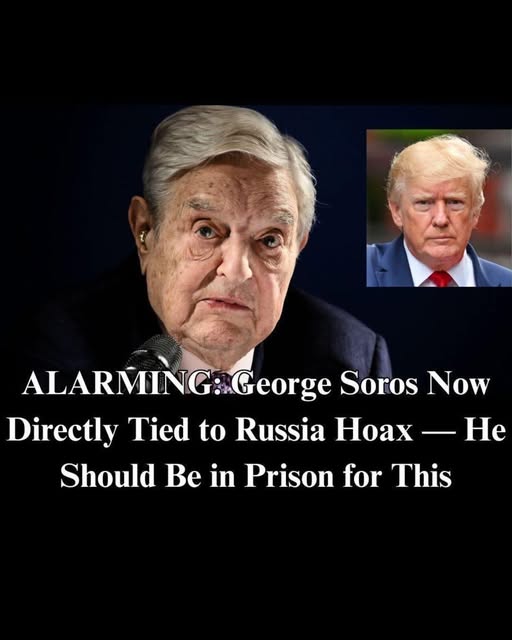
The story once dismissed as little more than a fringe conspiracy theory is now bleeding into the daylight of declassified files, and the details are as explosive as they are intricate. Hidden in secret emails, internal memos, and classified annexes lie references to a “long-term affair to demonize” Donald Trump, promises that the FBI would “put more oil into the fire,” and a web of connections spanning Soros-linked operatives, Clinton advisers, foreign spies, and hacked think tanks. Together, these actors appear to have conspired to turn Russiagate—a story of foreign interference—into a domestic political weapon. What was once rumor now reads like the blueprint of a shadow campaign aimed at shaping the trajectory of American democracy itself.
The newly declassified annexes attached to Special Counsel John Durham’s report provide a murky, politically charged glimpse into what some are calling a decades-spanning strategy. Among the files are intercepted emails allegedly sent by Leonard Benardo of George Soros’s Open Society Foundations, outlining what appears to be a coordinated effort within Clinton-world to brand Donald Trump as a Russian asset. According to the documents, the FBI was expected to play a validating role, giving institutional legitimacy to the narrative. The emails, reportedly hacked by Russian operatives and later accessed by Dutch intelligence, describe an operation to orchestrate a “long-term affair to demonize” both Trump and Vladimir Putin—shifting scrutiny away from Hillary Clinton’s own controversies, including her email scandal, and weaponizing Russian interference as a tool for domestic political gain.
While Durham’s team stopped short of confirming the authenticity of every communication, some U.S. analysts assessed the Benardo emails as “likely authentic,” noting their consistency with other internal communications. Separate messages from Clinton adviser Julianne Smith appeared to echo the same strategy: a relentless push for heightened scrutiny of Trump’s alleged ties to Russia. The documents collectively paint a portrait of a multi-layered, coordinated campaign, involving not just campaign operatives and intelligence personnel but also foreign hackers, think tanks, and sympathetic media outlets. Each piece converges around a single incendiary storyline designed to escalate political tension and, ultimately, shape public perception.
The fallout of this revelation is as significant as it is unsettling. Crossfire Hurricane, the FBI investigation that dominated headlines for years, now emerges not simply as a law enforcement response but as a node in a broader, more complex web of political maneuvering. Intelligence agencies, campaign operatives, foreign actors, and media intermediaries all appear to have moved in concert, their actions magnifying partisan divides and leaving lasting scars on the American political landscape. The annexes are not merely historical artifacts—they are a stark reminder of how information, when weaponized, can reshape reality, influence elections, and deepen the fissures in a nation already struggling with trust and transparency.
In the end, the story that was once dismissed as conspiracy is now no longer easily ignored. It serves as both a warning and a revelation: that in the age of leaks, hacks, and political machinations, the line between rumor, strategy, and truth is far thinner—and far more dangerous—than many Americans ever imagined.