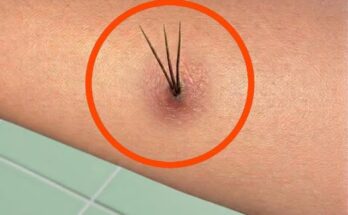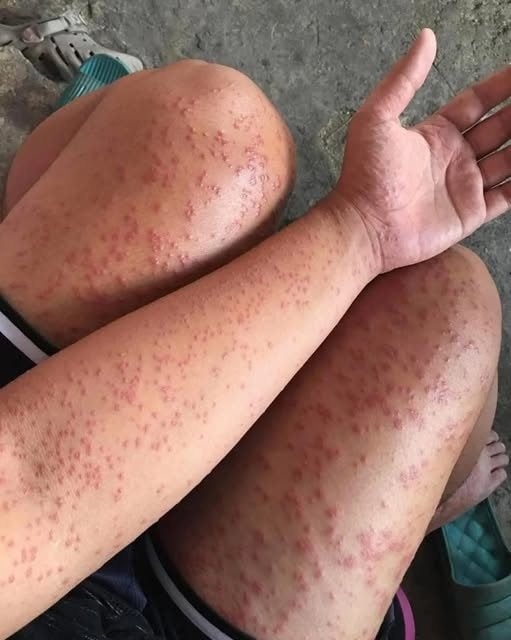
The first bump didn’t scare me. The pattern did.
At first, I thought it was nothing—a stray mosquito bite, maybe something in the detergent. But by the second night in my friend’s old apartment, my skin told a different story. Tiny, red clusters appeared wherever my body touched the mattress, each one pulsing with a quiet, insistent itch. My arms, my neck, the small of my back—they felt like a living map of something gone wrong, like my body had begun to translate a message the rest of me couldn’t yet understand.
I hadn’t changed my soap. I hadn’t eaten anything new. My routine was the same—except for one thing: the space. Old walls. Old carpets. Old furniture that had absorbed years of lives I didn’t know. And suddenly, my skin was reacting as if it had discovered a secret I couldn’t see.
By the third night, the unease had settled deep in me. Some bumps faded quietly; others lingered, angry and swollen, throbbing each time I scratched. I stopped sleeping well. I started turning on the lamp every hour, scanning the bed for movement. I told myself it was just paranoia. But every time the lights went out, I could feel something—a prickle, a whisper of contact—like the apartment itself was breathing too close to my skin.
Was it bed bugs? Mold? Chemicals? Something worse hiding behind the wallpaper or beneath the floorboards? My imagination filled the gaps faster than I could reason them away. And still, the rash spread like a signal—an unspoken message from my body to my mind: Get out.
When I finally listened, the message was impossible to mistake.
That experience taught me something that no online checklist ever could: unfamiliar spaces carry invisible histories. They may look harmless, but they hold what’s left behind by those who came before—dust mites curled deep in pillows, bed bugs nesting along the seams of mattresses, fleas waiting in the fibers of worn carpets, spores of hidden mold breathing quietly through the air, and chemical residues soaked into old fabrics. You don’t see them, but your body does. Especially your skin. Especially at night, when you’re still, unguarded, and the air feels just a little too heavy.
I learned, after that, to pay attention. To trust the small warnings. Now, before I unpack in a new place, I pull back the sheets, check the mattress seams for dark specks or papery shells. I wash every piece of clothing the moment I get home, and I shower as if rinsing off the room itself—the unseen layer that clings after you leave.
The bumps eventually disappeared. The itch subsided. But the lesson never did.
Because when your skin starts speaking in welts, lines, and clusters, it isn’t just irritation. It’s communication. It’s the body whispering what the walls already know: that sometimes, the real danger in a room isn’t what you can see—it’s what’s quietly living beneath the surface, waiting for you to lie down and listen.