Family Isn’t Supposed to Fade Like This
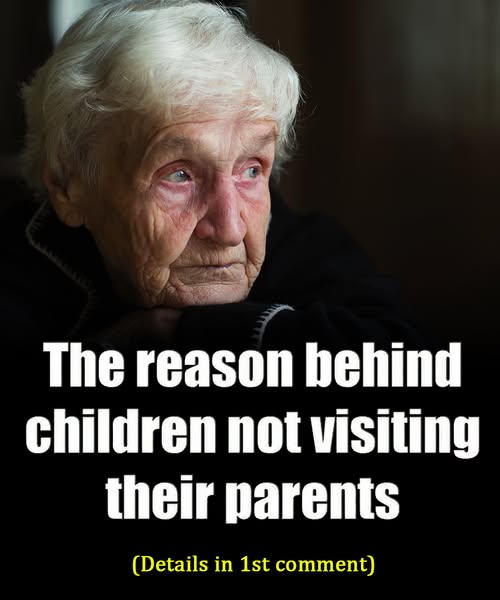
It doesn’t happen all at once. There’s no slammed door, no dramatic ending, no single conversation that explains it. One day, you’re at the center of their world — the first phone call when something goes wrong, the name they reach for without thinking. And then, slowly, quietly, you start to orbit instead of anchor.
The phone rings less. The visits shorten. The hugs grow polite. The grandkids, once so quick to run into your arms, hang back, shy and unsure. You sit at the kitchen table after they leave, staring at the half-empty cups of cocoa, wondering what changed — and when. You replay conversations in your mind, searching for the moment love turned into distance. But there was no single moment. Just a slow drift, like a tide pulling back before you even realize the water’s gone.
The truth is, distance in families rarely begins with one betrayal. It grows out of a thousand tiny moments — words said too sharply, apologies never fully given, boundaries crossed in the name of love. A well-meant comment lands as criticism. A question becomes an interrogation. Concern, when wrapped in control, stops feeling like care. And over time, the people we love most start to protect themselves — not because they stopped loving us, but because being near us started to hurt.
Adult children pull back not out of rebellion, but out of self-preservation. They stop sharing not because they’ve forgotten you, but because they’ve learned that honesty can sometimes cost peace. It’s heartbreaking on both sides — parents who feel abandoned, and children who feel unseen.
But distance doesn’t have to be permanent. Repair doesn’t mean rewriting the past; it means showing up differently in the present. It’s not about proving who’s right — it’s about choosing to stay open even when it stings.
Healing begins with small, humble shifts:
It sounds like, “Help me understand,” instead of, “You’re overreacting.”
It looks like honoring a boundary you don’t agree with, simply because it matters to them.
It’s welcoming a partner as true family, even when they’re not what you expected.
It’s supporting your child’s parenting choices without offering corrections in front of others.
It’s learning to listen with the goal of connection, not correction.
Repair is less about fixing and more about softening — about choosing curiosity over pride, presence over history. Because at the heart of every strained relationship is usually the same longing: to be seen, to be respected, to be loved without conditions or comparisons.
The pain is real — for both parent and child. But so is the possibility.
Families don’t have to return to what they were to find peace again. Sometimes, they grow into something quieter, gentler, more honest. A love without performance. A closeness without control.
Family isn’t supposed to fade away. It’s meant to evolve — if we’re brave enough to let it.