It Started with a Bite So Small No One Saw It — Then Kevin’s Life Unraveled
The first symptom looked like nothing. A slight fever. A bit of fatigue. Just another spring afternoon in April 2024 — sunlight on the grass, laughter in the air, and a man who had every reason to think tomorrow was guaranteed.
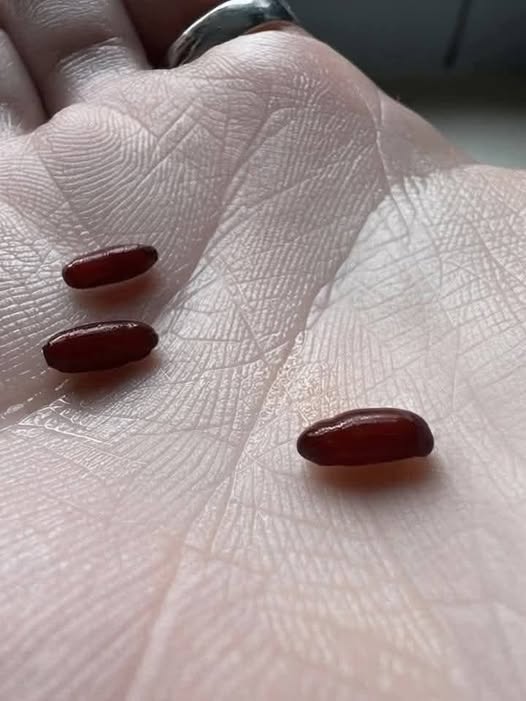
Kevin Boyce was 42, strong, outdoorsy, and the kind of person who rarely got sick. That day, he’d been clearing brush behind his home, the kind of routine chore he’d done a hundred times before. He didn’t feel the bite. No one did. The tick was smaller than a sesame seed — silent, invisible, and carrying something far deadlier than anyone could imagine.
A few days later, Kevin brushed off what he thought was the flu. But this wasn’t the flu. The headaches came first, then waves of nausea that no medication could calm. Soon, confusion crept in — forgotten words, lost balance, eyes that couldn’t quite focus. By the time his wife rushed him to the emergency room, the man she loved was already slipping away.
Doctors ran test after test, searching for answers in his blood and brain scans. When the diagnosis came, it stunned even them: Powassan virus — a rare, fast-moving, tick-borne infection that attacks the central nervous system. There is no cure, no proven treatment, and no way to undo the damage once it begins.
Within days, Kevin’s brain began to swell. Machines kept his body alive, but the man who used to sing while making breakfast, who never missed his daughter’s soccer games, was fading. His family held his hand as doctors quietly told them there was nothing more they could do. Weeks later, Kevin was gone.
One tick. One bite. One family’s world turned inside out.
Today, the Boyce family tells their story not because it’s easy — it isn’t — but because silence costs lives. They speak for the people who still think “it can’t happen to me.” They want you to know how quickly the ordinary can turn tragic, how something so small can carry consequences so enormous.
They’ve learned the hard way that every tick deserves to be treated like a threat. They beg you to take the simplest precautions: use insect repellent, wear long sleeves when you hike or garden, check every inch of skin after time outdoors, and trust your instincts when something feels off.
Powassan virus is rare, but the pain it leaves behind is not.
Kevin’s story cannot be rewritten. But maybe — if his message spreads — someone else’s can.