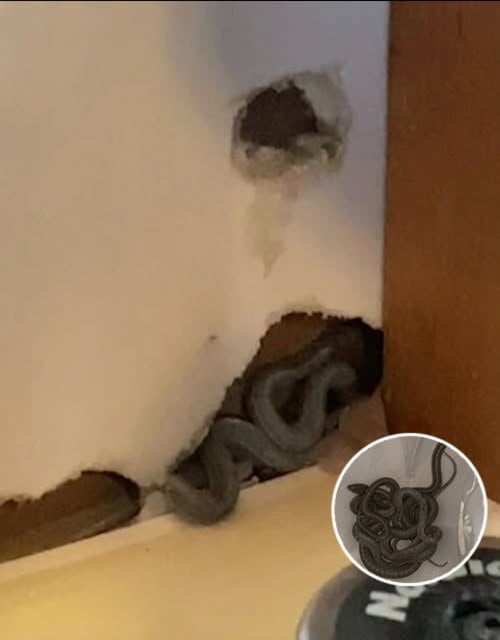
The first hint that something wasn’t right didn’t come from a trained eye or a professional opinion. It came from the dog.
Not the inspector who had walked through the property with a checklist and confidence. Not the realtor who had praised every corner of the house. The dog—restless, alert, and inexplicably fixated—was the one who noticed first.
Just days after settling into what appeared to be the ideal family home in Colorado, a mother of two began to sense a quiet unease creeping into her new beginning. At first, it was easy to dismiss. Moving is stressful, after all. New spaces come with unfamiliar sounds. But her dog’s behavior refused to be ignored. It would freeze mid-step, body tense, ears pinned forward. Then came the trembling. And then the pacing—back and forth, back and forth—always toward the same spot in the garage.
Drawn by a mix of curiosity and concern, she finally crouched down to examine what had captured her pet’s attention so intensely. At first glance, it seemed insignificant: a few tiny openings along the wall, hardly noticeable unless you were looking for them. But then she leaned closer.
Something moved.
That fleeting moment—so small, so easily missed—marked the beginning of a reality she hadn’t prepared for.
What was meant to be a joyful milestone—a fresh start, a safe haven, a place to build new memories—quickly unraveled into something far more unsettling. The home that symbolized stability and comfort began to feel uncertain, even threatening. The discovery of reptiles living within the walls transformed ordinary spaces into sources of anxiety. Every faint sound, every shadow, every quiet moment carried a new weight.
Her excitement faded, replaced by a growing sense of unease. She found herself questioning the very place she had chosen to protect her children. Sleep became lighter. Awareness sharpened. The illusion of perfection gave way to the reality that even the most promising beginnings can conceal unexpected challenges.
But this story didn’t end in fear.
Refusing to let the situation define her home—or her family’s sense of security—she took action. She reached out to wildlife specialists, faced the problem head-on, and committed to doing whatever it took to restore safety. It wasn’t quick, and it wasn’t easy. It required patience, persistence, and a willingness to confront what many would rather ignore.
Slowly, progress replaced panic. The hidden intruders were removed. Entry points were sealed. Repairs were made, not just to the structure of the house, but to the fragile sense of peace that had been shaken.
Through it all, she gained something unexpected: a deeper understanding of what it truly means to own a home. Not the picture-perfect version seen in listings or imagined during walkthroughs, but the real, unfiltered responsibility that comes with it. A home isn’t flawless. It requires vigilance. Care. Courage.
And sometimes, it asks you to face what’s hidden behind the walls.
In the end, the house changed—not because it became perfect, but because she reclaimed it. The tension eased. The routines returned. Laughter found its way back into the rooms. What once felt like a mystery filled with dread slowly transformed into something familiar again.
A home.
A place where her family could breathe, feel safe, and begin again.