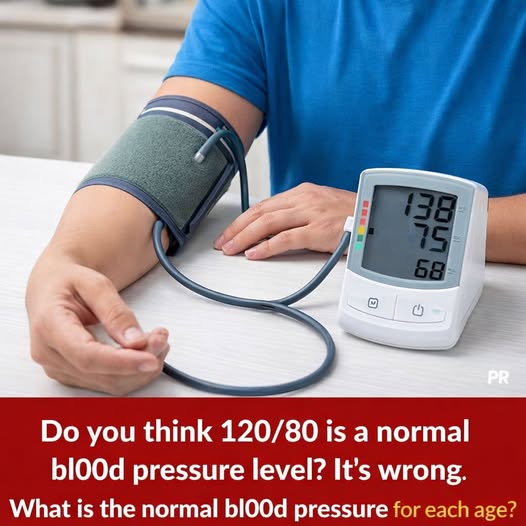
For generations, a simple rule has been passed down with quiet confidence: “Your normal blood pressure is 100 plus your age.” It sounds reassuring. It sounds logical. And chances are, you’ve heard it from someone you trust—maybe even a doctor. But here’s the uncomfortable truth: that old guideline isn’t just outdated. It can be dangerously misleading.
What was once considered “acceptable” for older adults is now understood to be silently harming the body. Blood pressure that creeps higher with age doesn’t reflect health—it signals strain. Beneath the surface, that extra pressure is gradually wearing down delicate blood vessels, forcing the heart to work harder, and increasing the risk of life-altering conditions like stroke, heart failure, kidney disease, and even cognitive decline.
For decades, people were told this rise was natural—something to accept rather than challenge. Aging, after all, comes with changes. But modern research has completely reshaped that narrative. Scientists have found that higher blood pressure is not a harmless side effect of getting older—it’s a key driver of some of the most serious health problems we face later in life.
Medical guidelines have evolved because the evidence is too strong to ignore. Experts no longer support age-based “normal” ranges. Instead, they emphasize that maintaining lower blood pressure—safely and appropriately—offers real protection, even in older adults. In other words, what used to be labeled “fine for your age” may actually be putting you at risk.
One of the most influential studies in this shift showed that treating blood pressure more intensively in people over 75 significantly reduced deaths and major cardiovascular events. That finding challenged long-held assumptions and made one thing clear: arteries don’t benefit from higher pressure as we age—they are damaged by it.
This means it’s time to rethink what you’ve been told. If you’ve ever been reassured that a reading like 140/90 is “good enough” because of your age, it’s worth asking deeper questions. What are the current targets? What do your numbers really mean for your long-term health?
Your blood pressure isn’t just a number—it’s a powerful indicator of what’s happening inside your body. Monitoring it, understanding it, and managing it proactively could make the difference between simply aging and aging well.
Old advice can be comforting. But when it comes to your heart and brain, comfort should never come at the cost of accuracy.