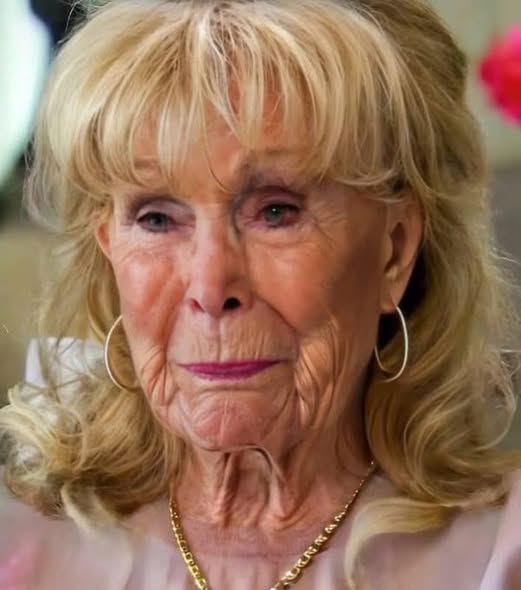
Fame gave her a smile the world would never forget. But it could not protect the one thing she loved most. 🌟💔
For millions of viewers, Barbara Eden was pure magic. Week after week on the beloved television series I Dream of Jeannie, she appeared in a swirl of pink silk and sparkling charm, granting wishes with a mischievous blink and a playful nod. To audiences, she seemed to embody the fantasy of Hollywood itself—beautiful, joyful, and somehow untouched by the hardships of ordinary life.
But behind the glittering illusion of television magic was a woman whose real life held heartbreak no genie could fix.
Long before fame arrived, Barbara Eden’s story began in struggle. Born during the harsh years of the Great Depression, she grew up in a world where money was scarce and dreams felt distant. Her mother, a determined woman with a love for music, encouraged Barbara to sing in church choirs and small local venues. Those early performances became the fragile bridge between hardship and hope. 🎶
Eden carried that hope with her as she moved toward Hollywood, chasing an opportunity that seemed impossibly far away. The climb was slow. She worked tirelessly—singing with touring bands, appearing in small roles, and taking whatever opportunities she could find. Eventually, the cameras began to notice her luminous screen presence.
Her career blossomed during the golden age of television and film. She shared the screen with stars like Elvis Presley in the 1960 film Flaming Star, and before long she landed the role that would transform her life forever. As Jeannie, the mischievous genie with limitless devotion, Barbara Eden became one of television’s most recognizable faces. The show ran from 1965 to 1970 and cemented her place in pop-culture history.
To the public, she seemed to live a life of enchantment.
But when the cameras stopped rolling, the most important role she played was not a genie—it was a mother.
Barbara Eden’s only child, Matthew Ansara, was the center of her world. Like many Hollywood children growing up in the shadow of fame, Matthew struggled to find his footing. What began as youthful experimentation slowly spiraled into something far darker. Addiction crept into his life, tightening its grip year after year.
For Eden, the battle became deeply personal—and painfully relentless.
There were late-night phone calls filled with panic. There were rushed drives across the city to check on him. There were moments when she believed he was finally winning, when hope seemed real and recovery felt possible. And then, there were the setbacks. The relapses. The crushing return of fear.
Addiction is not a simple enemy. It is a disease that steals clarity, distorts promises, and convinces those trapped within it that tomorrow will somehow fix everything.
Barbara Eden fought that enemy the only way she knew how: with fierce, unyielding love.
She helped him enter rehabilitation programs. She encouraged him through recovery attempts. She celebrated every small victory—a clear-eyed conversation, a renewed commitment to sobriety, a glimpse of the future he still wanted.
Sometimes those victories seemed real.
Matthew even began rebuilding parts of his life. He pursued acting like his parents and spoke openly about wanting to stay sober. For a time, hope flickered again.
But addiction has a cruel way of returning when defenses weaken.
In 2001, the nightmare every parent fears became reality. At just thirty-five years old, Matthew Ansara died from an accidental heroin overdose. The years of struggle, the countless efforts to save him, the relentless hope that things might finally change—all ended in a single devastating moment.
For Barbara Eden, the loss was indescribable.
No applause, no awards, no lifetime of fame could soften that kind of grief. The woman who once granted wishes to millions suddenly faced a sorrow that no magic could undo.
And yet, she did something remarkable.
Instead of retreating into silence, Barbara Eden chose to speak openly about her son and the devastating reality of addiction. She shared her story not for sympathy, but to help others understand the quiet battles happening inside countless families.
Addiction, she reminds people, does not discriminate. It can enter any home—famous or unknown—and once it does, it changes everything.
Today, decades after the television magic of I Dream of Jeannie first captured audiences, Barbara Eden still carries herself with the grace and warmth that made her beloved. She continues to work, appear at events, and connect with fans who grew up watching her.
But behind the iconic smile is a woman who has endured one of life’s deepest heartbreaks.
By telling Matthew’s story, she offers something far more powerful than television fantasy.
She offers a warning, a lesson, and a quiet plea. 🌙
If someone you love is struggling, reach out. Speak up. Seek help. Because sometimes the difference between hope and tragedy can arrive in the stillness of the night—before or after a phone call that comes at 3 a.m. and changes everything forever.