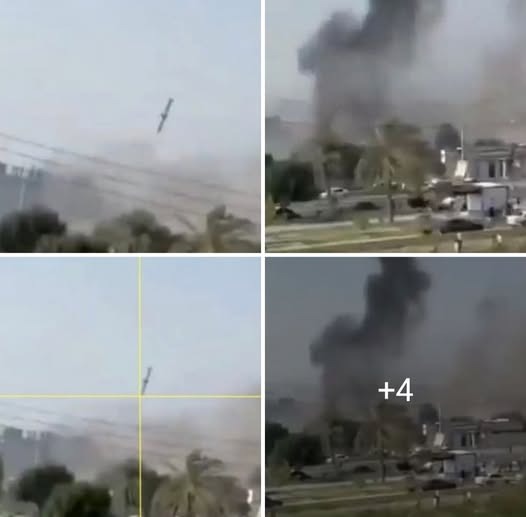
Sirens tore through the night like jagged knives, slicing the darkness over Pamplona Alta as flames consumed everything in their path. What began as a flicker on a rooftop quickly roared into an uncontrollable inferno, hopping from house to house with terrifying speed. Smoke twisted into the sky, black and suffocating, a rising testament to the chaos below. Families ran through narrow, winding streets, clutching children, pets, and memories, but the fire moved faster than any escape. Explosions punctuated the roar, each one a grim reminder that the danger was not only visible—it was hiding, embedded deep in the neighborhood’s very heart, in secrets no one had anticipated.
By the time dawn broke, Pamplona Alta was unrecognizable. Streets that had once echoed with laughter, street vendors’ calls, and the daily rhythm of life were now littered with ash, charred timbers, and twisted metal. The tightly packed homes that had fostered connection and community became death traps in the night, leaving residents with seconds to decide what to carry and what to leave behind. Many escaped with nothing but the clothes on their backs, the scent of smoke still clinging to their hair and skin, hearts pounding with shock and grief.
As investigators probe whether unlicensed pyrotechnics—or some other hidden spark—helped fuel the blaze, the tragedy reveals an uncomfortable truth: danger often thrives quietly where oversight is weakest. In neighborhoods built out of necessity rather than design, risk is tangible, layered in every improvised wall, unregulated roof, and forgotten electrical line. Here, disaster is not a distant possibility—it waits silently, ready to turn everyday life into catastrophe.
Now, amid the temporary shelters, donated meals, and the first tentative steps toward recovery, the people of Pamplona Alta confront the monumental task of rebuilding not just homes, but a sense of security. Their courage, resilience, and heartbreak demand more than sympathy—they require action: safer structures, stricter oversight, and the recognition that every life lost, every home destroyed, is a warning the rest of the world cannot ignore.